
Cold Email Lead Generation And The Truth About Lazy Sales Teams
If you’ve ever sat there wondering why your cold email ‘campaigns’ feel like shouting into the void while your expensive sales team cries about ‘lead quality’, this one’s for you.
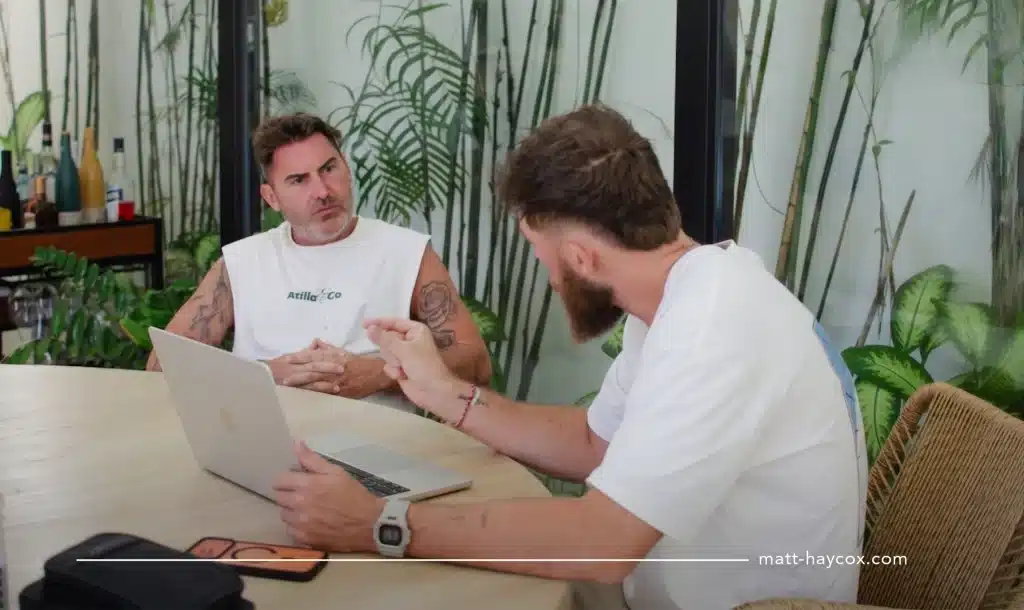
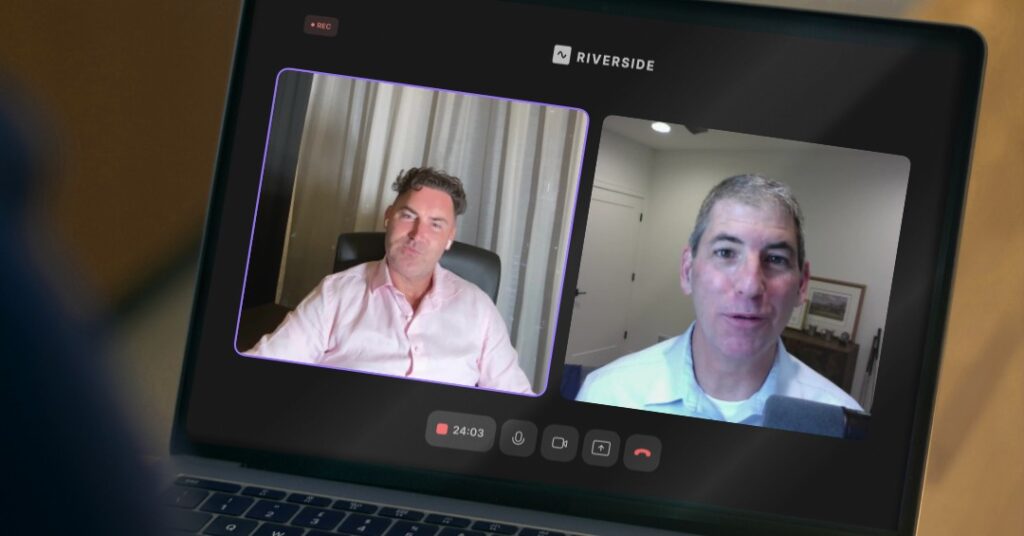
I’m Matt Haycox. I’ve been hiring, firing and rebuilding sales teams for 25 years. I’ve burned money on bad reps, bad data and bad outreach, so when I meet someone who has actually sent over 100 million cold emails for clients and built outsourced sales teams that work, I listen.
That someone is Kevin Downey.
Kevin is an entrepreneur who used to run a cold email agency and now builds outsourced sales teams, in locations such as Latin America, for companies in the US and beyond. He specialises in two things most founders struggle with:
- Cold email lead generation that actually gets replies.
- Sales teams that stop hiding behind excuses and start doing their job.
This article is my take on our conversation. It’s not a transcript. It’s what you need to know if you want cold email to be a serious lead channel and your sales team to stop acting like they’re above prospecting.
The primary topic here is cold email lead generation. But you can’t fix that without fixing who handles the leads and how your sales org is set up. So we’ll hit both.
Meet Kevin: The Man Behind 100 Million Emails

Kevin didn’t start as some ‘growth hacker’ selling software. He started as a guy doing what most of you have done: he watched what everyone else did and copied it.
Sequences in the CRM.
Drip campaigns.
Multi-step threads full of links and marketing copy.
And like you, it flopped.
A couple of months in, he realised something obvious that most marketing teams still miss: if the whole point of cold email is to generate leads, the email should behave like a cold call.
So he flipped it.
Instead of marketing-style emails trying to impress people with newsletters and blog links, he moved to simple, voice-notes-turned-into-text emails that sounded like a human reaching out:
‘Johnny, do you have this pain point? If you do, we can help you solve it. Here’s roughly how. If you’re interested, reply and I’ll send you X.’
No fancy design. No ‘storytelling’. No ‘10 touch nurture sequence’. Just a direct question, a clear outcome and a reason to reply.
Fast forward eight years, and he’d sent somewhere between 100 and 110 million emails for clients. When he sold that book of business, he shifted to what everyone really wanted all along: outsourced sales teams that actually follow up and sell.
And that’s when the other ugly truth surfaced: most companies don’t just have a cold email problem. They have a salespeople problem.
The Real Problem: You’re Doing Marketing, Not Outbound Lead Generation
Here’s the core issue Kevin sees – and I agree with him.
Most so-called ‘cold emails’ are just badly-disguised marketing:
- Over-personalised nonsense: ‘I loved your episode with Kevin, the value bombs were amazing.’ You didn’t watch the bloody episode.
- Fake flattery: ‘Your insights on leadership really resonated with me.’ No, they didn’t.
- Links everywhere: ‘Check out our case study, our landing page, our 47-minute webinar.’
If someone cold-called you and read that rubbish out loud, you’d hang up.
Yet people send it to thousands of inboxes, then sit in meetings astonished that it doesn’t convert.
The truth:
- Cold email is not your newsletter.
- It’s not there to ‘build your brand’ or tell your life story.
- It’s a tool to identify decision makers with a specific pain point who are willing to put their hand up.
Once you accept that, everything changes: the copy, the volume, the metric you actually care about, and who’s responsible for what.
Treat Cold Email Like A Cold Call In Writing
Kevin’s rule is simple: if you wouldn’t say it on a cold call, don’t put it in a cold email.
His structure is roughly:
- First name.
- One clear pain point.
- One line on how you help.
- One clear next step: ‘Reply and I’ll send you X.’
All text. No images. No layout. No fake personalisation based on scraped blog posts. He writes it like a voice note, then cleans it up.
Crucially, he only cares about one metric: replies.
Not opens. Not clicks.
Replies.
Why? Because replies tell you:
- The email landed.
- The targeting wasn’t insane.
- There’s at least enough interest or annoyance to justify a human conversation.
If they reply positively and say ‘Yeah, send that over’, you’ve achieved your goal:
- You’ve improved the health of your sending infrastructure, because replies are a positive signal.
- You’ve identified a decision maker with a pain point.
That’s it. That’s all cold email is supposed to do.
If you want to do brand storytelling, nurture sequences and content, that’s fine. Use your newsletter tool. Use LinkedIn. Do your marketing elsewhere. But don’t confuse that with outbound lead generation.

Stop Faking Personalisation – Talk About Their Pain Instead
We all get the same AI-personalised rubbish:
‘Hey Matt, I just watched your podcast with X, absolutely loved the value you gave on Y.’
No you didn’t.
When you lie like that, the reader can feel it. It’s insincere, and it kills trust before you’ve even started. I’d honestly prefer someone to just say:
‘Matt, I book guests for podcasts. I’ve got three strong founders who’d be a good fit for your audience. Want me to send their one-page media sheets?’
It’s direct. It respects my time. It tells me what’s in it for me and my audience.
Kevin’s approach reflects that. He’ll personalise with the first name and occasionally the company name, but he doesn’t play games with scraped content and fake flattery. In fact, using company names is risky if your data is messy, because it’s easy to drop in the wrong one and make yourself look stupid.
Cold email personalisation should be:
- Correct name.
- Correct role or segment.
- Correct pain point.
That’s it.
You don’t need to ‘prove’ you’ve read their blog. You need to prove you understand their world.
Volume, Infrastructure And Why Your CRM Is Useless For Cold
Here’s where most founders massively underestimate the job.
They buy a data list, hook their CRM up to some ‘sequence’ tool, and send 50 emails a day from their main domain. Then they declare cold email ‘dead’ when nothing happens.
Kevin’s view is blunt: your CRM is the wrong tool for serious cold email.
Why?
Because:
- You’re usually sending from a single sender address. That caps you at maybe 25–100 emails a day if you care about cold email deliverability.
- You’re tying your prospecting to the same domain and infrastructure your core business uses, so if you screw it up, you hurt everything.
- You can’t easily tie together the kind of multi-domain, multi-inbox structure you actually need for volume.
Done properly, cold email lead generation is an infrastructure problem as much as a copy problem.
Two broad models Kevin outlined:
- Single-domain API setup
○ One domain + email API + a tool like Apollo to pull data.
○ You can send significant volume (thousands a day) from a single address, but you’re playing a fine game with reputation.
- Multi-domain server setup
○ Think 20 domains, 5 inboxes per domain, all tied to a single campaign.
○ Each inbox sends around 25 cold emails a day.
○ Each inbox also has warming emails going out to keep the reputation healthy.
○ Net result: you can send tens of thousands of cold emails a month, safely, if your data is clean. Although technically, this number could be unlimited.
You might not need that level of scale, but here’s the key point:
If you’re offering mid-ticket services like SEO, PPC, reputation management or consulting and you’re sending 50 cold emails a day, you’re not really doing cold email. You’re dabbling.
I’ve done the dabbling myself. Fresh domain, hooked it into a tool like Instantly, warmed it up, fired off a few dozen emails a day to a list of 700 semi-warm contacts. It’s fine for a micro-test, but if you’re expecting that to feed a sales team, you’ll be waiting forever.
Cold email is a numbers game. That’s not an excuse for bad cold email copywriting or bad targeting, but it’s reality. If your industry reply rate is 0.2-0.4%, which is perfectly normal, then the difference between 50 emails a day and 500 a day is the difference between ‘one conversation a week’ and ‘a real sales pipeline’.
Explore my digital marketing agency Dominate Online for our full stack service offerings and more industry insights.
Once They Reply, Stop Automating
There’s one place Kevin is absolutely ruthless: once someone has put their hand up, all the automation stops.
Yes, you can send your generic newsletter to your list. People expect that.
But:
- No automated ‘check in’ emails from Joey the sales rep.
- No auto ‘just bumping this to the top of your inbox’ sequences.
- No lazy templates pretending to be personal.
If they’ve replied or filled out a form, they’re now a lead, not just a contact in a list.
From that point:
- Communication should be manual.
- Channels should be phone, Zoom, in-person or hand-written emails.
- Notes should live in your CRM, but the CRM isn’t driving the conversation. Your rep is.
Some clients Kevin works with set up a system where replying to a cold email automatically CCs a special address that logs the thread in the CRM. Others have an SDR manually add leads. Either way, once they’re in, the goal is to move them through a human sales process, not dump them into another automated mess.
Your Sales Team Is Too Expensive To Be Prospecting All Day
Let’s talk about the bit that hurts.
In the US, it’s not unusual to see base salaries for B2B reps at $90k–$100k. In the UK we see our own inflated versions.
Twenty-five years ago, when a rep on 40–50 grand could make 10–20 meaningful contacts a day by phone or in-person, that maths made sense. They could justify spending most of their time prospecting.
Today, decision makers hide behind email, switchboards and calendars. Getting through is slower and harder. Having a high base rep spend six hours a day grinding cold calls to reach five actual humans is often a terrible use of money.
That’s why Kevin sees more companies rebuilding their sales orgs around:
- Fewer high-paid ‘hunter’ reps who focus on closing deals and managing serious opportunities.
- More dedicated business development reps (BDRs) whose full-time job is to do cold outreach and set appointments.
And here’s the twist: a hunter, a farmer and a BDR are not the same personality type.
- A hunter lives for the chase and the close.
- A farmer likes nurturing existing accounts and keeping customers happy.
- A BDR thrives on repetitive outreach, handling rejection and following a tight process.
Yet most businesses try to hire one magical unicorn who does all three.
Then they wonder why the ‘experienced’ salesperson they hired won’t pick up the phone, whinges about lead quality and expects hot appointments handed to them on a plate.
I’ve seen that version of the ‘career salesperson’ more times than I can count:
Shiny CV. Old leather briefcase. War stories from 30 years ago. Absolutely no appetite for the reality of modern sales.
You can’t build a serious growth engine on that.
Hire For Wiring, Not War Stories
One of the most important things Kevin said is that most companies hire salespeople for all the wrong reasons.
They hire:
- Based on CVs full of ‘President’s Club’ and quota numbers from a completely different context.
- Based on years in the industry.
- Based on stories.
But skills and experience don’t equal success.
The better question is: is this person wired to do the specific job you need done?
Kevin uses opt-in behavioural assessment tools to map candidates to roles. You don’t have to use the same tech, but you do need the same mindset:
- A BDR role is high rejection, repetitive tasks, pattern work. They need resilience and consistency more than ‘charisma’.
- A hunter role needs drive, competitiveness, comfort with risk and money-motivated behaviour.
- A farmer role needs patience, relationship orientation and a service mindset.
Hiring someone who once sold £10 million of something in a completely different setup doesn’t mean they’re now going to smash cold outreach from scratch for you at 50.
In many cases, you’re better off with a younger or less experienced rep whose behaviour profile actually matches the job and who is hungry to prove themselves.
War stories don’t make a pipeline. Your wiring does.
Why Latin American Reps Are Quietly Eating US And UK Sales Teams
A big part of Kevin’s current model is building sales teams in Latin America for US clients.
Here’s why it works:
- Cost of living is lower, so a good base salary for them is a fraction of a US or UK base.
- Psychologically, they value security and affirmation more than a huge commission swing.
- You can pay them enough to cover their bills and feel ‘golden’ without putting them on a pure commission hamster wheel.
In the US, a typical structure might be 50% base, 50% variable. In Latin America, Kevin typically sees 80–95% base, 5–20% variable.
His two main questions for a rep are:
- ‘How much do you need per month to pay your bills?’
- ‘How much do you need per month so you never want to quit this job?’
The answers are usually closer than you think. For example, someone might say:
- ‘I need $1,200–$1,300 to cover my bills.’
- ‘If I make over $2,000 a month, I’d never leave.’
That’s extremely manageable for an agency or SME.
Combined with decent training and clear expectations, it means:
- Higher retention.
- Less job-hopping for an extra $100 a month.
- More time for them to actually get good at your product, process and market.
If you compare that to constantly churning through US or UK reps on high bases who are always shopping for the next gig, the appeal is obvious.
Kevin’s outsourced team model gives clients:
- Full-time reps dedicated to their business.
- Prospecting, meetings, follow-up and pipeline managed.
- Fractional sales leadership baked in, because he and his team manage the reps.
- One invoice a month, no HR headaches.
Is that right for everyone? No. If you’re selling complex medical or deep industrial solutions with messy bespoke pricing, it’s probably not a fit. But if you’ve got transactional or flat-rate offers – SaaS, creative services, printing, promo products, corporate gifts, simple consulting packages – it’s a very strong option.
Inbound, Outbound And Who Handles What
Not all ‘leads’ are created equal.
In Kevin’s world:
- Inbound leads – people who respond to ads, download something, fill in forms – should go straight to an SDR or a sales rep. These are handraisers. Treat them like it.
- Outbound responses – people replying to cold email or cold calls – should go to whoever is responsible for turning interest into a real conversation. That might be an SDR booking for a closer, or the closer themselves if your org is small.
What you don’t want is:
- Chucking warm inbound leads into the same generic sequence as cold contacts.
- Having your most expensive closers doing raw cold prospecting all day.
Design the flow so:
- BDRs and cold email do the grunt work of starting conversations.
- SDRs or hunters take those conversations and turn them into deals.
- Farmers nurture and grow existing accounts.
It’s not complicated, but most small businesses mash it all into one job title and then complain when it breaks.
A Simple 7-Day Plan To Fix Your Cold Email And Sales Setup
You don’t need a six-month project to get moving. Here’s a realistic one-week starter plan.
Day 1: Pick One Clear Offer And One Clear Pain Point
Stop trying to sell everything. Choose one offer that:
- Is flat-rate or simple to price.
- Solves a pain your ideal clients actually feel.
Write the pain in one sentence: ‘If you’re [situation], you’re probably sick of [problem].’
Day 2: Rewrite Your Cold Email Like A Cold Call
Grab your current outreach templates and bin them.
Write one new email:
- First name.
- One sentence calling out the pain.
- One sentence saying what you do.
- One sentence offering a specific piece of value: sample, short audit, cheat sheet, whatever.
- Clear call to action: ‘If you want it, reply and I’ll send it over.’
Keep it all in one simple block of text. No links. No images.
Day 3: Fix Your Target List
Audit your data:
- Remove obviously wrong industries, roles and company sizes.
- Make sure you’ve got at least first name, last name, email.
- If you can’t clearly explain why each segment should care about your offer, your targeting is too broad. Narrow it.
If you’re serious about volume, get yourself a proper B2B data source, not a random list off the internet.
Day 4: Separate Cold Infrastructure From Your Main Domain
Stop blasting from your primary domain.
- Register at least one new domain closely related to your main brand.
- Set up a few inboxes on it.
- Start warming them gradually with a warmup tool or by sending manual emails.
If you want to go harder, look at a multi-domain, multi-inbox setup and a dedicated sending server. If that sounds like Greek, that’s your sign to get help rather than bodge it.
Day 5: Define Roles In Your Sales Process
On paper, define:
- Who is responsible for pure cold outreach (BDR)?
- Who handles inbound and warm replies (SDR / hunter)?
- Who looks after existing clients (farmer / account manager)?
If you’ve got one person doing everything, that’s fine for now. But write it down so you know which ‘hat’ they’re wearing at any given time.
Day 6: Stop Automating Warm Leads
Go into your CRM and turn off:
- Automated cadences that email people who have already replied.
- Sequences pretending to be from individual reps.
Replace them with:
- A simple process: reply within X hours, call within Y hours, book Z follow-up steps.
- One newsletter opt-in if you want to keep nurturing them at scale.
Day 7: Measure Only Replies For Cold Email
For the next 30 days:
- Track how many cold emails you send.
- Track how many replies you get (positive, neutral, negative).
- Ignore opens and clicks.
Once you’ve got those numbers, you can start tuning:
- If replies are low, your targeting or pain point is off.
- If replies are decent but you’re not closing, your sales process or team is the issue.
But at least you’ll be making decisions based on reality, not vanity metrics.
The Big Takeaway
Cold email lead generation isn’t dead. Your approach likely is.
If you:
- Treat cold email like a cheap newsletter.
- Let marketing own it instead of treating it as a sales tool.
- Force overpaid, badly-hired reps to do jobs they’re not wired for.
…then yeah, it’ll feel like a grind with no payoff.
But if you:
- Treat cold email like a cold call in writing.
- Obsess over replies, not opens.
- Build proper infrastructure and volume.
- Design your sales team around actual roles and wiring, not CVs.
…you’ll have a steady, predictable flow of decision makers with real pain, ready to talk.
The choice is simple: keep complaining that ‘nothing works’, or rebuild your pipeline like you actually intend to use it.
If You’re Serious About Fixing This, Don’t Dabble
If you’ve read this far, you already know whether cold email and your sales team are problems you need to fix, not just moan about.
Pick one of two moves:
- Either commit to building proper cold email and sales infrastructure in-house – roles, tools, training, the lot.
- Or get help from people who do this all day so you stop wasting money on half-baked experiments and ‘experienced’ reps who don’t deliver.
If you know your offer is solid and you’re ready to treat lead generation like a real business function, not an afterthought, then your next step is simple: audit what you’re doing now, be brutally honest, and either upgrade it or replace it.
And if you want someone who has spent 25 years rebuilding sales teams, fixing pipelines and helping founders stop leaving money on the table, you can work with me directly through my business consulting service.
Cold Email Lead Generation FAQs
How many cold emails should my business send per day?
You should send one cold email per month per contact, regardless of the size of your business or your industry. You should stop sending to a contact once they reply or unsubscribe.
What is a good reply rate for cold email lead generation?
In most B2B markets, a 0.2–0.5% reply rate on truly cold email is normal. That might not sound sexy, but if your offer is decent and your follow-up is strong, that’s more than enough to feed a small sales team. If you’re under this average, your targeting or message is probably off. If you’re much higher, you’re either very dialled in or your definition of ‘cold’ is a bit generous.
Should my sales reps still cold call if I’m using cold email?
Yes, but they shouldn’t be doing it blindly. Cold email is great for warming up the ground, identifying who has a pain point and getting permission to talk. Your reps should be calling people who have replied, engaged or at least opened consistently, not hammering the phone book. Use cold email to make their lives easier, not to replace their job entirely.
Is it worth using outsourced SDRs or BDRs instead of hiring in-house?
If you don’t have strong sales management in place and you’re not great at hiring, an outsourced option can be a lot less painful than burning through in-house reps. Teams like Kevin’s give you trained BDRs or SDRs plus leadership, process and infrastructure. It’s not right for highly complex, bespoke sales, but for flat-rate or transactional offers it can be a very smart move.
How do I stop my cold emails going to spam?
You need three things: separate infrastructure, sensible volume (50k cold emails per month, per server) and positive engagement. Use dedicated domains and inboxes for cold outreach, warm them up properly and keep daily sends per inbox low. Make sure your data is clean to avoid bounces. Write emails that sound human and ask for replies. The more genuine responses you get, the stronger your sending reputation becomes.