
Executive Summary
Lord Alan Sugar’s estimated net worth, as of early 2026, is roughly £1.2 billion to £1.3 billion, with the Sunday Times Rich List tracking him around and above the £1.2 billion mark in recent years. Unlike most names in this series, this figure is comparatively well grounded: much of it sits in Amshold, his family property and investment group, whose holdings and results are visible in company filings, though property valuations still mean any total is an estimate.
The core wealth drivers have shifted decisively over his career. The fortune began with Amstrad, the consumer-electronics company he founded in 1968 that made him one of Britain’s best-known entrepreneurs and, briefly, the owner of a stock-market darling. But the durable wealth was built afterwards, through Amshold’s commercial property portfolio, which converted the volatile proceeds of a technology business into stable, income-producing real estate. His television career on The Apprentice from 2005 is the smallest financial component but the largest reputational one.
Four achievements matter most financially. First, founding and floating Amstrad, which at its 1980s peak was valued at over £1 billion and made his first fortune. Second, the shrewd, unglamorous pivot into commercial property through Amshold, which is where most of today’s wealth actually lives. Third, the 2007 sale of Amstrad to BSkyB for around £125 million, a clean exit near the end of the consumer-electronics story. Fourth, two decades as the face of The Apprentice, which kept his brand, and his deal flow, alive well past the Amstrad era.
What makes Sugar’s money story instructive is the transition it captures: from a high-risk, high-volatility technology entrepreneur to a patient, cash-generating property investor, the classic journey from making a fortune to keeping and compounding one.
If your own path from an operating business towards durable, income-producing assets is the transition you’re planning, Matt works in exactly that space: you can work with Matt directly or book one-to-one consulting.
Key Financial Metrics
| Category | Metric / Description | Value (estimate) | Notes (source / caveats) |
|---|---|---|---|
| Total net worth | Estimated personal net worth, early 2026 | ~£1.2–1.3bn | Sunday Times Rich List range; property-heavy |
| Property / Amshold | Family property and investment group | ~£800m–1bn | The core of the fortune; commercial real estate |
| Cash & Investments | Amstrad exit proceeds, dividends, market holdings | ~£200–400m | Includes proceeds from the 2007 BSkyB sale |
| Amstrad legacy | Consumer electronics business | Realised (sold 2007) | Founded 1968; sold for ~£125m |
| Media income | The Apprentice (BBC) | Modest fees | Financially minor, reputationally major |
| Endorsements / other | Minimal | Negligible | He is the brand; monetises his own interests |
| High-value assets | Jet, cars, art | ~£30–60m | Includes a private jet and property-adjacent assets |
Alan Sugar’s Primary Income Streams
Sugar’s income has evolved from product sales (Amstrad) to rental income and capital growth (Amshold property), with television a late-career brand layer on top. The fortune is now proprietor-shaped: dividends and asset appreciation rather than salary.
Core Career Earnings
| Year / Period | Project / Contract | Role / Position | Performance Metric | Est. Earnings | Notes (deal structure, source) |
|---|---|---|---|---|---|
| 1968 | Founds Amstrad (from selling electronics out of a van) | Founder | Start-up | Reinvested | The origin of the fortune |
| 1980 | Amstrad floats on the London Stock Exchange | Chairman, major shareholder | Rapid growth in audio, computers, satellite | Paper wealth into the hundreds of millions | The company that made him a public figure |
| Late 1980s | Amstrad peak | Chairman | Market value reported over £1bn at its height | Immense paper wealth | Home-computer and word-processor boom |
| 1990s | Amstrad through the tech-cycle downturn | Chairman | Volatility; set-top-box pivot | Fluctuating | The lesson in technology’s brutal cycles |
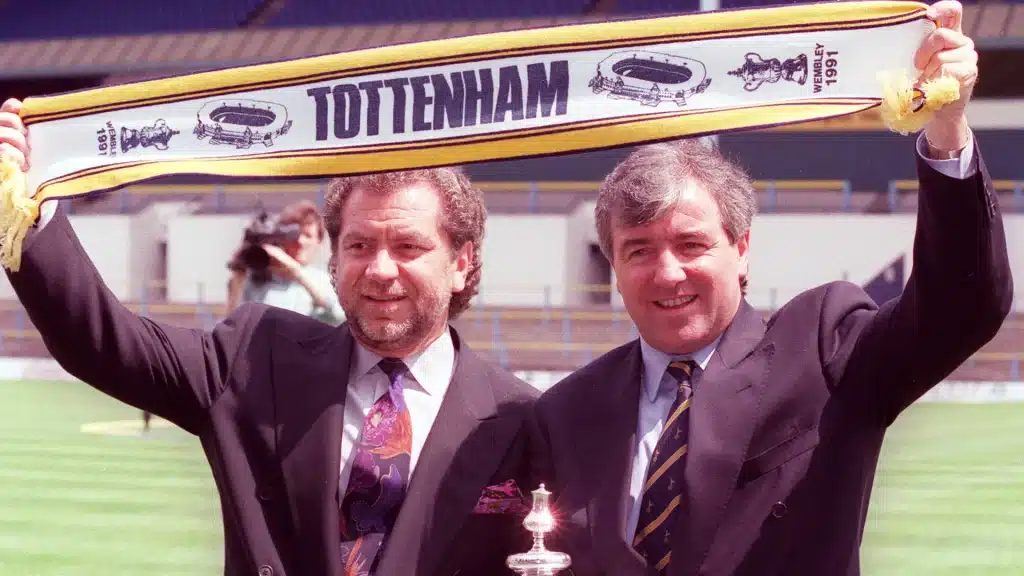
| 1991–2001 | Tottenham Hotspur ownership | Owner-chairman | Ran the club for a decade | Sold for a reported profit | A high-profile, ultimately modest financial chapter |
| 2000s | Amshold property strategy scales | Owner | Commercial property portfolio built | Growing rental income and capital gains | Where the durable wealth was constructed |
| 2007 | Sells Amstrad to BSkyB | Seller | ~£125m deal | Large realised gain | A clean exit from consumer electronics |
| 2005–present | The Apprentice, BBC | Star and lead | Prime-time institution for two decades | Modest BBC fees | Brand and deal-flow value dwarfs the fee |
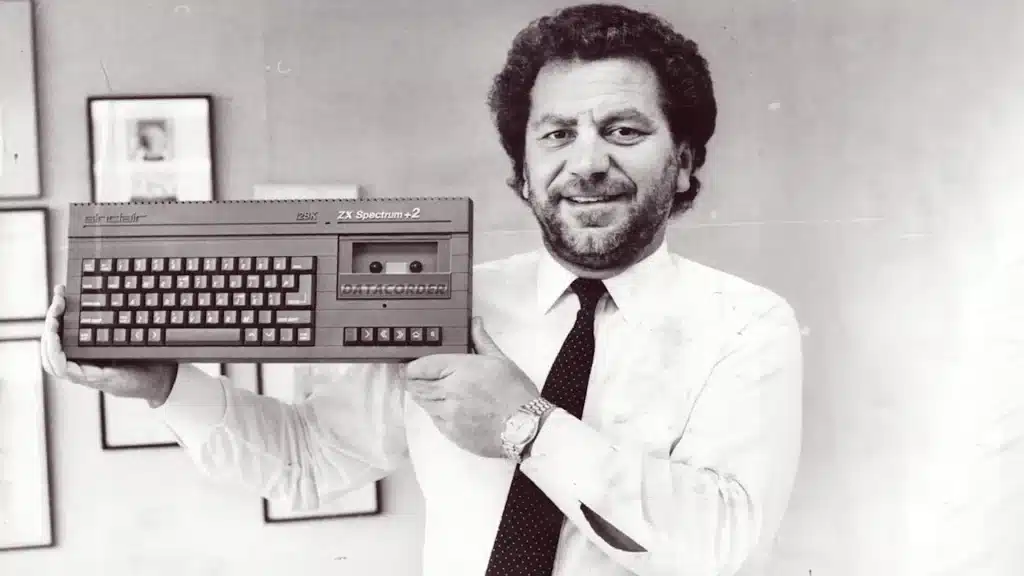
The scaling story is a tale of two businesses. Amstrad made Sugar famous and, at its 1980s peak, extremely rich on paper, with a market value reported above £1 billion. But consumer electronics is a brutally cyclical trade, and Amstrad’s fortunes swung sharply through the 1990s before the eventual £125 million sale to BSkyB in 2007. The genuinely durable wealth was built alongside and afterwards through Amshold, his family investment vehicle, which moved the money into commercial property, an asset class that generates steady rental income and appreciates over time rather than obeying the vicious product cycles of technology.
The Apprentice, from 2005, is financially the least important strand, the BBC fee is modest, but strategically valuable: it kept Alan Sugar a household name for a second generation, sustaining the brand and the deal flow long after Amstrad ceased to matter.
Publishing / Catalogue / IP Ownership
| Year | Asset / Segment | Counterparty | Deal Type | Est. Value / Multiple | Notes |
|---|---|---|---|---|---|
| 1968–2007 | Amstrad brand and business | Public markets, then BSkyB | Founder ownership, then sale | Realised ~£125m in 2007 | The first-fortune asset, cleanly exited |
| 1990s–present | Amshold property portfolio | Wholly/family owned | Retained ownership | The bulk of the fortune | Never floated; compounding quietly |
| 2010 | What You See Is What You Get (autobiography) | Macmillan | Advance plus royalties | Modest | Best-selling memoir |
| 2005–present | ‘Lord Sugar’ / Apprentice brand | BBC (platform) | Fees plus halo | Deal-flow and profile value | He owns the reputation; the BBC owns the show |
The ownership story is the contrast between the two vehicles: Amstrad was public and eventually sold; Amshold is private, family-held and never floated, and it is the retained-ownership property engine that quietly turned a volatile tech fortune into a durable one.
Film / TV / Other Creative Projects
The Apprentice and its spin-offs, plus his memoir and occasional documentaries, complete the picture. All are brand-and-profile plays rather than material income against a property fortune worth close to a billion pounds.
Recap: the net worth is proprietor-shaped, dominated by Amshold’s property holdings, with realised cash from the Amstrad era and market investments the second bucket and a large personal-asset line reflecting jet, cars and art.
Alan Sugar’s Secondary Income Streams
Endorsements & Sponsorships
| Brand | Product Category | Years Active | Deal Type | Est. Annual Value / Range | Notes |
|---|---|---|---|---|---|
| None of note | n/a | n/a | n/a | Negligible | Sugar is the brand; he does not front others’ |
Predictably for a self-made billionaire, endorsement income is immaterial. His commercial value is deployed through his own businesses and profile rather than rented to third parties.
Business Ventures
| Venture / Company | Sector | Role | Ownership / Stake | Outcome / Current Status | Notes |
|---|---|---|---|---|---|
| Amstrad | Consumer electronics | Founder-chairman | Sold 2007 | Exited to BSkyB for ~£125m | The first fortune |
| Amshold Group | Property and investment | Owner | Family control | The core wealth engine | Commercial property portfolio |
| Amsprop / property vehicles | Commercial real estate | Owner | Control | Substantial holdings incl. prime London | Where the durable money lives |
| Amscreen and tech ventures | Advertising/tech | Backer | Various | Mixed | Later-career diversification |
| Tottenham Hotspur | Football | Owner-chairman | Sold 2001 | A decade of ownership, then exit | High-profile, modest financially |
Sugar’s arc as an investor is the model of maturing risk: a high-volatility founder who, having made and nearly lost fortunes in technology’s cycles, moved the money into steady commercial property held through a family vehicle. Amshold is the definition of a compounding engine, retained, income-producing and never floated. Risk profile: now conservative and asset-backed, a world away from the swings of the Amstrad years.
Licensing, Merchandising & Other Royalties
Book royalties and Apprentice-brand residuals are immaterial against the property fortune. Effectively nil in net worth terms.
Alan Sugar’s Asset Portfolio Analysis
Real Estate Holdings
| Property / Nickname | City / Country | Type | Purchase Year | Purchase Price | Est. Current Value | Notes |
|---|---|---|---|---|---|---|
| Amshold/Amsprop commercial portfolio | London and UK | Commercial real estate | Various | n/a | ~£800m–1bn (est.) | The fortune itself, not personal-use |
| Personal residences | UK (Essex/London) and Florida | Homes | Various | Undisclosed | ~£30–50m (est.) | Family homes plus a US base |
Sugar’s real estate is not ballast, it is the business. The Amshold/Amsprop commercial portfolio, including prime London assets, constitutes the majority of his net worth, generating rental income and long-term appreciation. His personal residences, substantial as they are, are a rounding item beside the commercial holdings.
Vehicles, Jets, Collectibles & Luxury Assets
| Asset Type | Description | Est. Value | Notes |
|---|---|---|---|
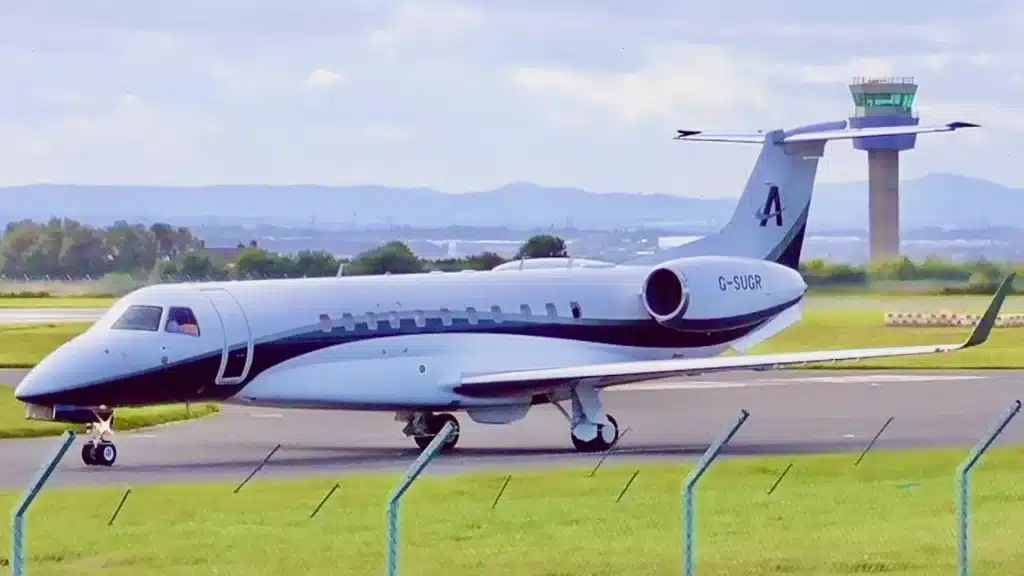
| Private jet | Owns a business jet | ~£20–40m | A genuine, significant asset |
| Cars and art | Collection over the years | ~£10–20m | Consistent with the wealth level |
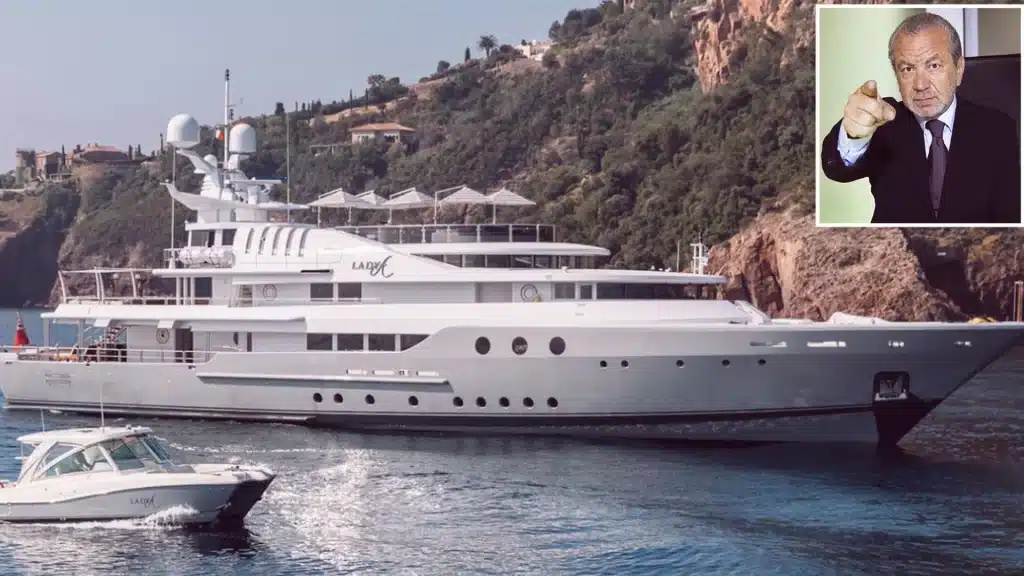
| Yacht | Has owned yachts | Included above | Documented over the years |
Unlike the low-burn founders elsewhere in this series, Sugar’s personal-asset line is genuinely large, a jet, cars, art and yachts, reflecting decades of billionaire lifestyle. Still a small share of the whole, but a real bucket rather than a rounding error.
Investments & Financial Instruments
Beyond property, Sugar holds realised cash from the Amstrad exit and market investments, managed conservatively. His famous scepticism about fads (crypto among them) fits the profile: a founder who took his big risks early in one business, then spent decades de-risking into property and steady holdings.
Timeline of Major Financial Milestones
| Year | Event / Decision | Financial Impact | Why It Mattered |
|---|---|---|---|
| 1968 | Founds Amstrad | ~£0; the fortune begins | Selling electronics from a van to a public company |
| 1980 | Amstrad floats on the LSE | Paper wealth in the hundreds of millions | Public-market riches begin |
| Late 1980s | Amstrad peaks above £1bn market value | Immense paper wealth | The high-water mark of the tech fortune |
| 1990s | Tech-cycle downturn hits Amstrad | Volatility; wealth swings | The lesson that drove the property pivot |
| 1991–2001 | Owns Tottenham Hotspur | Modest financial chapter | High profile; sold at a reported profit |
| 2000s | Amshold property strategy scales | Durable, income-producing wealth built | The quiet construction of the real fortune |
| 2005 | The Apprentice launches | Modest fees; huge brand value | A second generation of fame |
| 2007 | Sells Amstrad to BSkyB (~£125m) | Large realised gain | Clean exit from consumer electronics |
| 2009 | Made a life peer (Lord Sugar) | Establishment status | Brand and reputational capital |
| 2020s | Rich List placings around £1.2bn | Steady compounding | Property-led wealth matures |
| 2026 (early) | Net worth estimated ~£1.2–1.3bn | Compounding phase | The property engine now defines the fortune |
The inflection points: the 1980 float (first fortune), the 1990s downturn (the lesson), and the property pivot that turned volatile tech wealth into durable real estate.
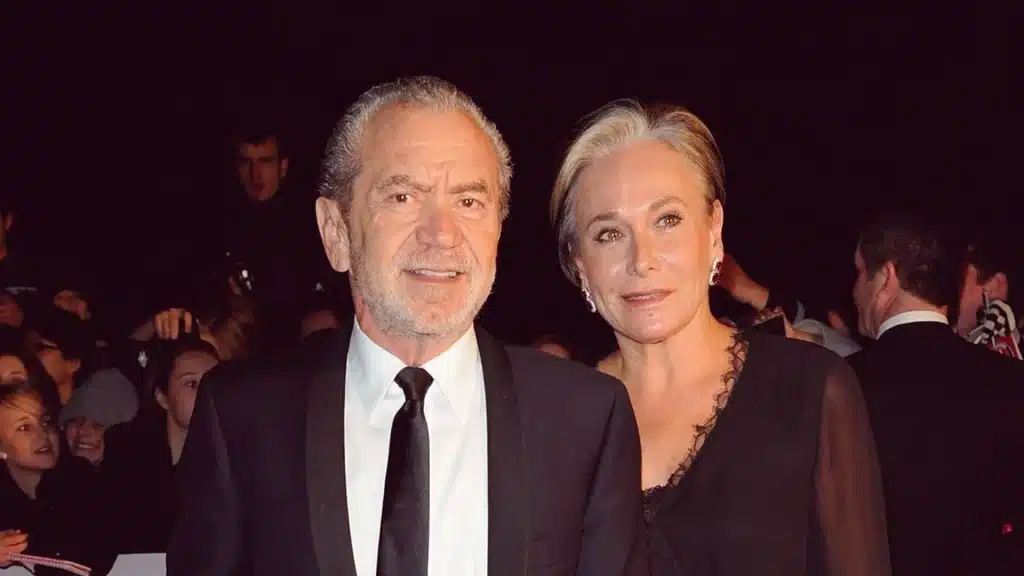
The Amstrad Blueprint: What Sugar Built
Sugar’s blueprint is the full arc from making a fortune to keeping one. Amstrad made him famous and, at its peak, a paper billionaire, but consumer electronics is a treacherous, cyclical trade, and the durable wealth came not from the product business but from the unglamorous discipline of moving the proceeds into commercial property through Amshold. The Apprentice, from 2005, kept the brand alive for a second generation while the property portfolio did the quiet, compounding work.
The unique edge is the transition itself. Plenty of entrepreneurs make a volatile fortune; far fewer have the discipline to de-risk it deliberately into steady, income-producing assets before the next downturn takes it back. Sugar’s move from technology to real estate is a textbook example of maturing risk with age and wealth.
The fragilities are mild for a fortune this size: commercial property carries cyclical and interest-rate exposure, and the valuation depends on estimates of private holdings. But compared with the tech business that made his name, today’s wealth is far more stable, which is precisely the point.
For entrepreneurs, the copyable lesson is to treat a volatile operating business as the engine that funds durable assets, not as the destination itself: make the fortune in the risky thing, then move it into the steady thing before the cycle turns. If you’re planning that transition and want help structuring it, talk to Matt about working together.
Sources
Figures draw on the Sunday Times Rich List, Amstrad and Amshold company reporting, deal coverage and press profiles. Property valuations are estimates. All figures are estimates unless described as reported.
Net Worth & Core Business
- Sunday Times Rich List entries for Lord Sugar (2019–2025), around and above £1.2bn.
- Business press and company-filings coverage of Amstrad’s flotation, peak valuation, cyclical downturns and the 2007 sale to BSkyB for ~£125m.
- Coverage of the Amshold/Amsprop property portfolio.
Ventures & Media
- Coverage of his Tottenham Hotspur ownership (1991–2001) and the BBC’s The Apprentice since 2005.
- His autobiography What You See Is What You Get (2010).
Biography
- Wikipedia and profile interviews for chronology; his 2009 life peerage.