
Executive Summary
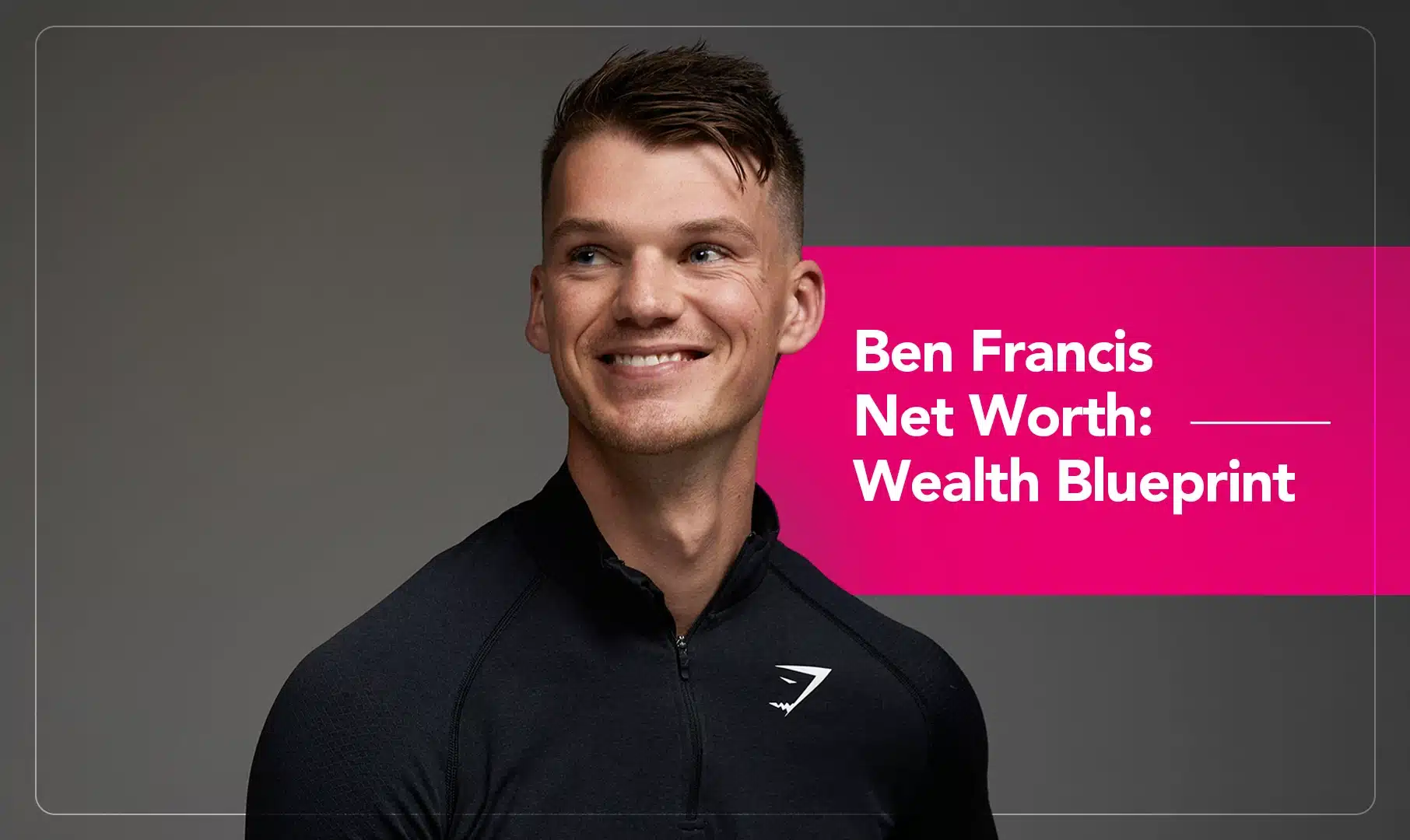
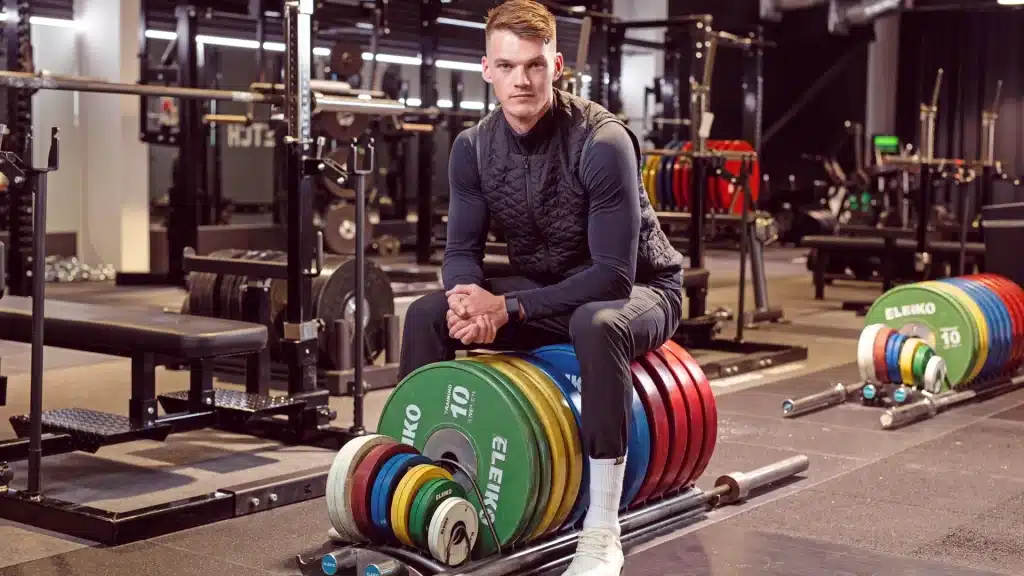
Ben Francis’s estimated net worth, as of early 2026, is roughly £1.2 billion to £1.3 billion, making the Gymshark founder one of the youngest self-made billionaires Britain has ever produced. The Sunday Times Rich List and Forbes have both placed him in this range in recent years, and the figure is unusually easy to explain: almost all of it is his roughly 70 per cent majority stake in Gymshark, the fitness apparel brand he started in his parents’ garage in 2012, valued at more than £1 billion when General Atlantic bought in during 2020. Because Gymshark remains private and has not raised at a new headline valuation since, every net worth figure for Francis is really an opinion about what one company is worth today.
The core wealth driver is therefore singular: founder equity, held with unusual discipline. Unlike almost every other name in this series, Francis has not built his fortune through salaries, media fees, endorsements or a portfolio of side ventures. He built one brand, refused to sell more than a minority of it, and let compounding revenue growth (from a garage to well over half a billion pounds a year) do the work. Supporting streams, a CEO salary, modest historical dividends and a co-founder’s early cash-out that he notably did not take, are rounding errors against the stake.
Four achievements matter most financially. First, founding Gymshark at 19 in 2012 and pioneering fitness influencer marketing years before the industry had a name for it. Second, the viral BodyPower expo moment of 2013, when the Luxe tracksuit sold tens of thousands of pounds of stock in under an hour and proved the model. Third, the August 2020 General Atlantic deal, which sold 21 per cent of the company at a valuation north of £1 billion while Francis kept control. Fourth, returning as CEO in August 2021, aged 29, to run the company through its push past £600 million in annual revenue and into physical retail.
What makes Francis’s money strategy unique among his peers is its refusal of every celebrity-wealth playbook in this series: no diversification, no personal monetisation to speak of, no exit. It is a one-asset balance sheet by conviction.
His wealth trajectory is a flat line followed by a cliff face: essentially nothing from 2012 to 2015 as profits were reinvested, paper wealth building through the hypergrowth years of 2016 to 2019, then the 2020 General Atlantic round crystallising a valuation that made his stake worth around £700 million overnight, and steady appreciation since as revenue grew towards £600 million. The timeline below shows the handful of decisions that did all the work. This report is part of our celebrity net worth analysis series.
Key Financial Metrics
| Category | Metric / Description | Value (estimate) | Notes (source / caveats) |
|---|---|---|---|
| Total net worth | Estimated personal net worth, early 2026 | ~£1.2–1.3bn | Sunday Times Rich List and Forbes ranges; no audited personal figure |
| Gymshark stake | ~70% of Gymshark Group | ~£1.1bn+ | Company valued at £1bn+ in the 2020 General Atlantic round; revenue growth since implies at least maintenance of that value, but the mark is dated |
| Cash & Investments | Salary, historical dividends, any small share realisations | ~£50–100m (est.) | Gymshark has largely reinvested profits; Francis’s personal extractions have been modest and are not fully disclosed |
| Business Ventures (other) | Ventures outside Gymshark | Negligible | Deliberately almost none; his YouTube channel and media presence are brand tools, not profit centres |
| Endorsements | Personal brand deals | Negligible | He is the brand; he does not front others’ |
| Real Estate | Family home and any other property, West Midlands | ~£5–15m (est., low confidence) | Little verified public information |
| High-value assets | Car collection | ~£1–2m (est.) | A known car enthusiast; enthusiast-scale, not investment-grade |
| Company performance | Gymshark revenue | ~£550–600m+/yr in recent financial years | Reported accounts show revenue around £556m in FY2023 with profits dipping, then recovering alongside further growth |
One thing before the numbers. If the equity discipline in this story is the standard you’re aiming for in your own company, Matt works with founders on exactly these calls, raising, holding and scaling: work with Matt or book consulting time.
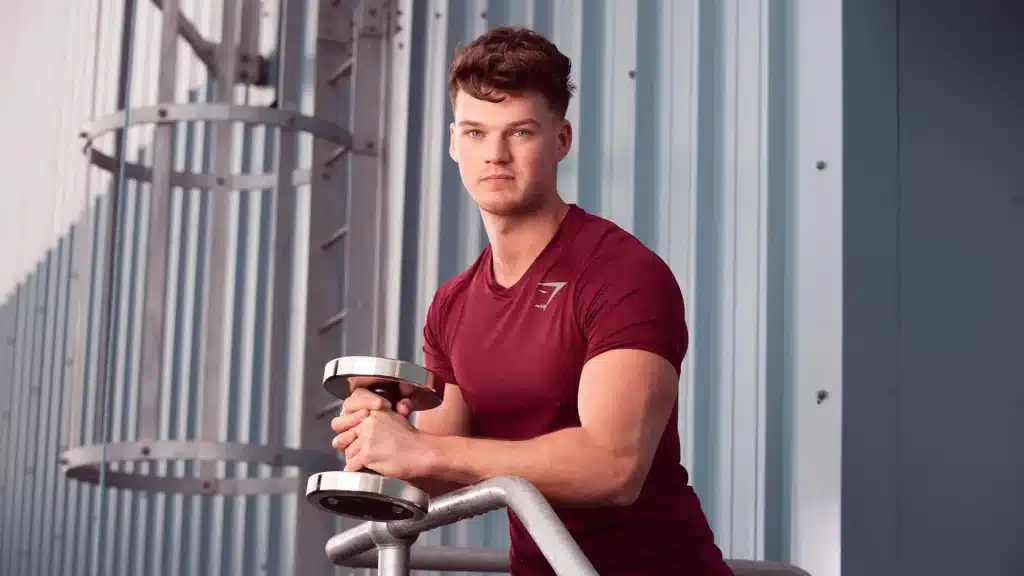
Ben Francis’s Primary Income Streams
Francis’s income statement is the least interesting thing about his finances, and that is the point. His wealth lives on the balance sheet, in a single line: Gymshark equity. The streams below exist mainly to show how little he has taken out relative to what he has built.
Core Career Earnings
| Year / Period | Project / Contract | Role / Position | Performance Metric | Est. Earnings | Notes (deal structure, source) |
|---|---|---|---|---|---|
| 2010–2012 | Pizza Hut delivery; university | Student and delivery driver | n/a | Minimum-wage money | Funded the first screen printer and sewing machine |
| 2012–2015 | Gymshark (early years) | Co-founder (with Lewis Morgan) | From garage start-up to ~£250k then multi-million revenue | Minimal salary; profits reinvested | Grandmother taught him to sew; product made in-house |
| 2013 | BodyPower expo and Luxe tracksuit launch | Founder | Reported ~£30k of sales within the first hour post-expo | Revenue proof, not personal income | The moment the influencer-plus-product model was validated |
| 2016–2019 | Gymshark hypergrowth | Founder; steps back from CEO in 2017 (Steve Hewitt becomes CEO); Chief Brand Officer | Revenue grows from ~£40m towards ~£260m | Director’s salary in the hundreds of thousands; paper wealth compounds | The rare founder who demoted himself for the company’s benefit |
| Aug 2020 | General Atlantic investment | Majority owner | 21% sold at a valuation above £1bn | Francis retains ~70%; stake now worth ~£700m on paper | Co-founder Lewis Morgan sold down, banking a reported £100m+; Francis largely did not |
| Aug 2021–present | Gymshark CEO (returned aged 29) | Chief Executive and majority owner | Revenue passes £500m (FY2023 ~£556m) and continues towards £600m+; profits dip in FY2023 then recover | Salary/remuneration est. £1–2m/yr; dividends modest and irregular | His pay is trivial next to equity value movement |
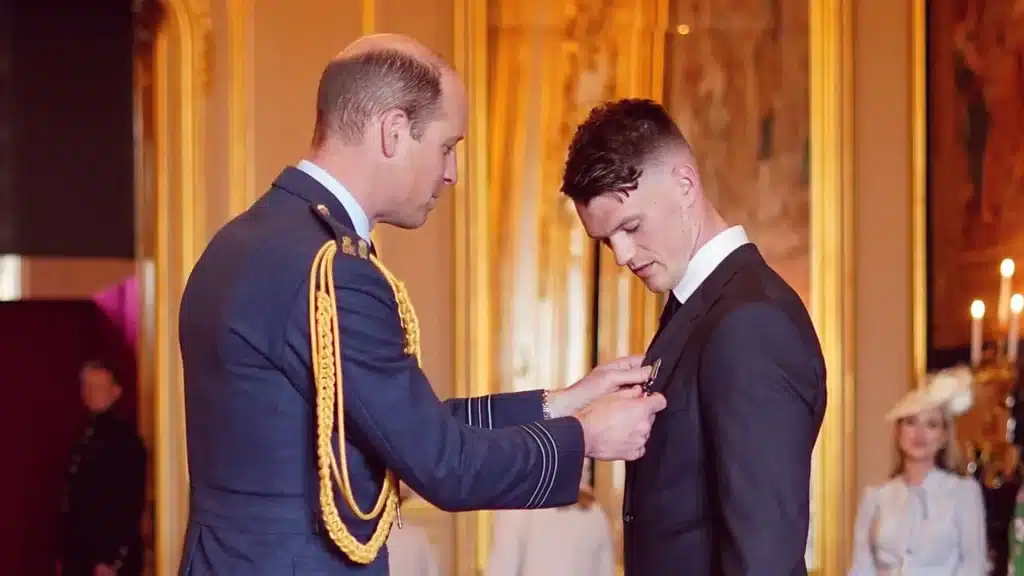
| 2023 | MBE for services to business | n/a | n/a | n/a | Reputation capital rather than income |
The scaling story is really a story about what Francis did not do. He did not pay himself meaningfully in the early years; accounts from the hypergrowth era show a company ploughing profit back into stock, marketing and international expansion. He did not sell when the first life-changing offers appeared; co-founder Lewis Morgan chose the opposite path, stepping back from 2016 and ultimately banking a reported nine-figure sum for his stake by 2020, a perfectly rational trade that nonetheless means Morgan owns a fixed pile of cash while Francis owns most of a company that kept growing. And he did not surrender control in 2020: the General Atlantic deal was sized precisely so that Francis stayed above 70 per cent.
The one conventional ‘earnings’ inflection worth noting is his return as CEO in August 2021. Since then Gymshark has pushed revenue from roughly £400 million to around £600 million, absorbed a painful FY2023 margin squeeze (profit before tax fell to the low tens of millions amid freight, discounting, and cost inflation) and recovered profitability while opening physical retail. For a man whose net worth is 90 per cent one company, running that company well is the highest-paid job in Britain that barely shows up on a payslip.

Publishing / Catalogue / IP Ownership
Francis’s IP position is brutally simple and enormously valuable: he majority-owns the Gymshark brand itself, one of the most recognisable names in global fitness, and he has never licensed himself out.
| Year | Asset / Segment | Counterparty | Deal Type | Est. Value / Multiple | Notes |
|---|---|---|---|---|---|
| 2012 | Gymshark brand created | n/a | Founder ownership | Built from ~£0 | Name, brand and community owned from day one |
| 2013–2019 | Influencer ‘athlete’ roster built | Fitness creators (Lex Griffin, Nikki Blackketter, David Laid and successors) | Sponsorship out, not in | Marketing cost, not income | Gymshark pays influencers; Francis is on the paying side of the fame economy |
| Aug 2020 | 21% equity sale | General Atlantic | Minority growth investment | Company valued £1bn+ | The only time external capital has priced the brand |
| 2021–present | Ben Francis personal media (YouTube, podcasts, socials) | Self | Owned content | Negligible direct income | Functions as recruitment, brand and succession-proofing, not monetisation |
| Ongoing | IPO optionality | Public markets (potential) | None yet | Unknown | Francis has spoken of a possible eventual listing; no date or bank mandate confirmed |
The contrast with the rest of this series is instructive. Clarkson, McGregor and Bartlett all monetise a personal brand through media fees, endorsements or audience-driven ventures. Francis inverted it: his personal brand (a YouTube channel documenting the business, regular podcast appearances, a famously relatable founder story) is deployed as free marketing and employer branding for the company, and the company is where all the value accrues. The unrealised asset here is the IPO or secondary sale that would finally turn a dated 2020 valuation mark into a live market price. Donald Trump’s social media strategy explained offers another example of how a personal brand can be used to build visibility and influence. The unrealised asset here is the IPO or secondary sale that would finally turn a dated 2020 valuation mark into a live market price.
Film / TV / Other Creative Projects
There is almost nothing to report, which is itself the data point. Francis runs a well-produced YouTube channel and has appeared on major business podcasts (including, fittingly for this series, The Diary of a CEO), but these generate negligible direct income and exist to serve Gymshark’s brand and his own credibility as a young CEO. He has taken no television roles, written no book to date, and done no paid speaking circuit of note. Every hour of his public visibility is routed back into the single asset.
The recap is short because the structure is short: effectively 100 per cent of the net worth picture is driven by one primary ‘stream’, founder equity in Gymshark, with perhaps £50 to £100 million of accumulated financial assets from salary and modest distributions sitting alongside it. The buckets in the net worth breakdown are dominated accordingly.
Ben Francis’s Secondary Income Streams
Endorsements & Sponsorships
| Brand | Product Category | Years Active | Deal Type | Est. Annual Value / Range | Notes |
|---|---|---|---|---|---|
| None of note | n/a | n/a | n/a | Negligible | Francis endorses nothing but Gymshark; he sits on the buying side of the sponsorship market |
This is the cleanest endorsement table in this series. Gymshark spends heavily sponsoring athletes and creators; Francis personally takes no ambassador money. The logic is obvious once stated: any external endorsement would dilute the founder-brand fusion that makes his 70 per cent stake more valuable, and no fee on offer could compete with even a fractional gain in Gymshark’s equity value. Where Bartlett charges for influence in shares and McGregor charged in fees before building his own brands, Francis simply declines the market entirely. The exact inverse approach also works: how Steven Bartlett prices his influence in equity turns promotion itself into a portfolio.
Business Ventures
| Venture / Company | Sector | Role | Ownership / Stake | Outcome / Current Status | Notes |
|---|---|---|---|---|---|
| Gymshark Group | Fitness apparel and community | Founder, CEO, majority owner | ~70% | Revenue ~£550–600m+; valued £1bn+ at the 2020 round; ~1,000+ employees; GSHQ campus in Solihull | The asset |
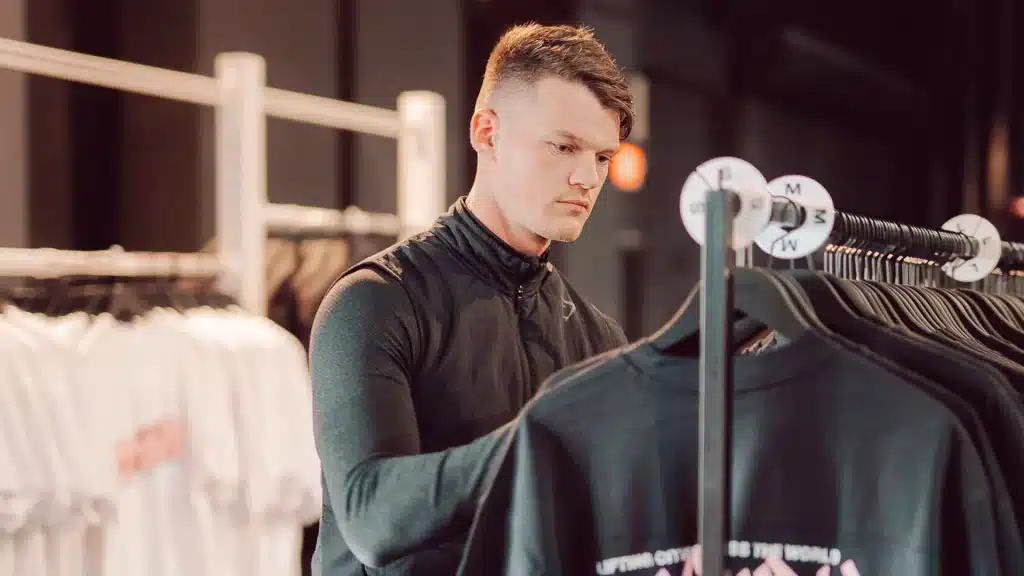
| Gymshark retail expansion | Physical retail | Via Gymshark | n/a | Regent Street London flagship opened October 2022; further international stores and pop-ups since | Channel diversification inside the same asset |
| Gymshark Lifting Club and community assets | Gyms/events | Via Gymshark | n/a | HQ gym and event programmes | Brand infrastructure, not separate ventures |
| Personal outside investments | Various | Angel (minimal) | Small, largely undisclosed | Immaterial | Francis has been explicit that his focus, and his capital, stay in Gymshark |
Analysed as an investor, Francis is the purest concentrated operator imaginable: one position, actively managed from the inside, with essentially no hedging. The 2023 accounts scare, when costs squeezed profits despite growing revenue, illustrates both sides of that choice, because a diversified founder would have felt it less, and a diluted founder would have benefited less from the subsequent recovery. The interesting strategic option on the table is not a new venture but capital structure: an eventual IPO would let him diversify without surrendering the company, and he has publicly kept that door open while committing to no timetable.
Licensing, Merchandising & Other Royalties
Not applicable in the conventional celebrity sense. Gymshark is itself a merchandising machine, but its revenue belongs to the company, not to Francis as royalties. He has no book royalties, no format licensing, no likeness deals of note. Estimated personal income from this category: effectively nil, and by design.
Ben Francis’s Asset Portfolio Analysis
Real Estate Holdings
| Property / Nickname | City / Country | Type | Purchase Year | Purchase Price | Est. Current Value | Notes |
|---|---|---|---|---|---|---|
| Family home | Worcestershire / West Midlands, UK | Principal residence | 2020s | Undisclosed | ~£5–10m (est., low confidence) | Francis has stayed rooted near Birmingham, close to Gymshark’s Solihull HQ |
| Other property | UK | Unknown | n/a | Undisclosed | Possible small additional holdings | Very little verified public information exists |
As with Bartlett, the brevity is the finding. There is no evidence of a trophy-property strategy, no London mansion arms race, no overseas portfolio in the public record. Francis married fitness creator Robin Gallant and has kept family life deliberately low-key in the West Midlands, minutes from the business. For a billionaire, property appears to be a place to live rather than an asset class, and any figures here carry the widest error bars in the article.
Vehicles, Jets, Collectibles & Luxury Assets
| Asset Type | Description | Est. Value | Notes |
|---|---|---|---|
| Cars | A genuine enthusiast’s garage documented over the years, including Lamborghini and other performance marques | ~£1–2m (est.) | The one visible indulgence; still under 0.2% of net worth |
| Jets / yachts | None owned | n/a | Notably absent |
| Watches / collectibles | Nothing publicised | Minimal | Consistent with the overall low-burn profile |
Cars are Francis’s admitted weakness and the only luxury line with real numbers behind it, and even generously estimated it rounds to nothing against a ten-figure net worth. The absence of jets and yachts at this wealth level is rare, and it matters financially for the same reason it did with Bartlett: minimal lifestyle leakage means the equity story is not being quietly undermined by consumption.
Investments & Financial Instruments
Public information suggests very little conventional portfolio activity: no disclosed listed-market positions of note, no fund vehicles, no crypto adventures. His financial assets, estimated in the tens of millions from salary and modest historical distributions, presumably sit in conservative form, but this is inference rather than record. The revealed risk appetite is a paradox worth naming: maximally conservative in everything except the one thing that matters, where he is 90-plus per cent concentrated in a single private consumer brand exposed to fashion cycles, discount pressure and DTC economics. It has been a spectacularly correct concentration for thirteen years. It remains a concentration.
Timeline of Major Financial Milestones
| Year | Event / Decision | Financial Impact | Why It Mattered |
|---|---|---|---|
| 2012 | Founds Gymshark at 19 with Lewis Morgan, screen-printing in his parents’ garage while delivering pizzas | ~£0; equity created | The entire fortune originates in this single act |
| 2013 | BodyPower expo appearance; Luxe tracksuit sells ~£30k in under an hour online afterwards | First revenue surge | Validated influencer-led demand before ‘influencer marketing’ existed as a term |
| 2013–2015 | Pioneers sponsoring fitness YouTubers as ‘Gymshark athletes’ | Revenue compounds to multi-millions | Built a moat competitors took years to understand |
| 2016 | Lewis Morgan steps back from day-to-day | Ownership begins consolidating around Francis | The divergence point between the two founders’ financial outcomes |
| 2017 | Francis steps aside as CEO, aged 24; Steve Hewitt takes over | No direct income change; enterprise value accelerates | The self-demotion that professionalised the company he still owned |
| 2018–2019 | International expansion; revenue passes ~£100m then ~£260m | Paper wealth grows into nine figures | Scale proved the brand was not a UK fad |
| Aug 2020 | General Atlantic buys 21% at a £1bn+ valuation; Francis keeps ~70%; Morgan exits with a reported £100m+ | Francis’s stake marked at ~£700m | The crystallising event: unicorn status with control retained |
| Aug 2021 | Returns as CEO, aged 29 | Compensation modest; stewardship of ~90% of his own net worth | Bet that he was the right operator for his own asset |
| Oct 2022 | Opens the Regent Street London flagship | Capital investment; channel diversification | Signalled evolution from pure DTC to omnichannel |
| 2023 | Awarded MBE; Forbes-class recognition as one of Britain’s youngest self-made billionaires; FY2023 accounts show revenue ~£556m but profits squeezed | Net worth estimates settle around £1.2bn; first public wobble in the P&L | Billionaire status confirmed just as the business model faced its first real margin test |
| 2024–2025 | Profit recovery; continued US and international push; further retail; ongoing IPO speculation without commitment | Revenue towards £600m+; valuation mark ages but fundamentals grow into it | The quiet compounding phase; the exit question remains deliberately unanswered |
| 2026 (early) | Net worth estimated ~£1.2–1.3bn | Steady state | Everything now rides on Gymshark’s next valuation event |
The inflection points are few and enormous: 2012 (founding), 2013 (model validation), 2020 (the £1bn+ mark with control retained) and 2021 (returning to run it). Fewer, bigger decisions than anyone else in this series.
Strategic Pillars Behind Their Wealth-Building
- Own Almost Everything, Forever. Francis has sold precisely once, 21 per cent in 2020, and kept roughly 70 per cent for fourteen years. Every pound of Gymshark’s growth from a garage to ~£600m revenue has therefore flowed overwhelmingly to him. Compare Lewis Morgan’s early exit: rational, life-changing, and a fraction of what the retained stake became. Peter Jones on never selling the engine is the £500m proof of the same retained-ownership creed, a generation earlier.
- Reinvest Instead of Extract. Through the 2013 to 2019 hypergrowth years the company ploughed profits into stock, athletes and expansion while Francis drew a modest salary. Delayed gratification at company level is why there was a £1bn+ business to value in 2020.
- Hire Your Own Boss When Needed. The 2017 decision to step aside for Steve Hewitt, aged 24 and at the peak of founder ego season, protected the asset from its owner’s inexperience. The 2021 return, once he was ready, captured the upside of the professionalised company. Few founders manage either move; almost none manage both.
- Buy Attention Wholesale, Sell Product Retail. From 2013 Gymshark paid then-cheap fitness YouTubers whose audiences trusted them, arbitraging the gap between what influencer attention cost and what it sold. The company was, in effect, an early and disciplined investor in the creator economy, on the correct side of the trade.
- Community as the Moat. Expos from 2013, meet-ups, the athlete roster, the 2022 Regent Street flagship: Gymshark repeatedly converts customers into members of something. That loyalty supports full-price sales in a discount-driven category, which is where the margin, and hence the valuation, lives.
- The Founder Is the Marketing, Not the Product. Francis’s garage-to-billionaire story, YouTube channel and 2023 MBE all feed credibility into Gymshark at zero cost, the inverse of the celebrity playbook. He monetises nothing personally so that the equity captures everything. Conor McGregor’s fame-to-equity playbook shows the monetise-everything alternative Francis deliberately rejected.
- Keep the Exit Optional. By staying private, majority-held and merely open to an eventual IPO, Francis retains timing power over the only transaction that matters to his net worth. The 2020 round showed he will sell small and late, on his numbers, or not at all.
Actionable Insights: Lessons from Their Wealth Blueprint
- Dilution Is the Most Expensive Money You Will Ever Take. Francis’s ~70 per cent retained through 2020 is the difference between his ~£1.2bn and his co-founder’s reported ~£100m+. Guard equity like the fortune it will become. Takeaway: Every point of equity you keep is a bet on yourself paying compound interest.
- Pay the Company First. Years of reinvested profits and a modest founder salary built the machine that made the 2020 valuation possible. Extracting early comforts caps late outcomes. Takeaway: Starve your lifestyle to feed your business, then let the business feed everything.
- Fire Yourself Before the Market Does. Stepping aside in 2017 was worth more to Francis’s net worth than any deal he signed, because it let the asset professionalise. Returning in 2021 captured the upside. Takeaway: The founder’s job is to give the company what it needs, even when that isn’t you.
- Arbitrage New Attention Channels Early. Sponsoring fitness YouTubers in 2013 cost hundreds and returned millions. Whatever the 2026 equivalent is, the window where attention is mispriced never stays open long. Takeaway: Buy attention where it’s cheap and trusted, not where it’s proven and priced.
- Sell a Slice Only to Buy Strength. The 2020 General Atlantic deal took on a partner for the US push at a £1bn+ price, while keeping control. Raise from a position of strength, for a purpose, at your valuation. Takeaway: Take investment to accelerate, never to escape.
- Let the Story Sell the Product. Garage, pizza delivery, grandmother’s sewing lessons: the founding myth is retold in every profile and costs nothing, feeding brand warmth that discounting can’t buy. Takeaway: A true origin story is the cheapest marketing asset you will ever own.
- Concentration Builds Fortunes; Know That It Also Holds Them Hostage. The FY2023 profit squeeze moved Francis’s effective net worth more than any personal decision that year could have. One-asset wealth means one asset’s problems are your problems. Takeaway: Concentrate to get rich, then decide consciously, not by default, whether to stay concentrated.
- Keep Liquidity Events on Your Clock. No forced sale, no rushed IPO, a dated but defensible valuation mark: Francis controls when his paper becomes money. Structure your cap table so time works for you. Takeaway: The best exits belong to owners who never need one.
From Garage to Billion: The Gymshark Verdict
Ben Francis’s wealth-building strategy is the simplest in this series and the hardest to copy: create one excellent asset young, keep almost all of it, reinvest relentlessly, and remove yourself from the equation whenever you are the constraint. There was no crossover payday, no whiskey exit, no media flywheel. There was a garage in 2012, a validated model by 2013, a professionalised company by 2020, and a founder still holding roughly 70 per cent when the billion-pound valuation arrived.
The unique edge is temperamental as much as strategic. At 24 he gave up the CEO title of his own company; at 28 he sold only as much as the business needed and not a share more; at 33 he remains a billionaire with no book, no television career and no endorsement income, running the same company from the same corner of the West Midlands. In a celebrity economy built on converting fame to cash, Francis converts everything, including his own fame, back into the equity.
The fragilities are the mirror image. This is a one-asset fortune marked to a 2020 private valuation in a category, fitness apparel, where fashion risk, discounting and DTC cost inflation are permanent weather; the FY2023 profit squeeze was a preview of how quickly the P&L can wobble even as revenue grows. There is no liquidity, no diversification worth the name, and a net worth that will ultimately be settled by a single future event, an IPO or sale, whose timing and price are unknowable. Until then, £1.2 billion is a well-reasoned estimate of an unsold position.
For entrepreneurs and investors, what is worth copying is the equity discipline: keep your stake, reinvest your profits, professionalise early, and treat your personal brand as fuel for the asset rather than a product line. What is not worth copying blindly is the concentration, which in Francis’s case has been vindicated by execution and no small amount of category timing. Hold one asset like this only if you are prepared to spend your whole career being the reason it works.
And if you’re weighing your own General Atlantic moment, how much to sell, when, and at what price, that’s a conversation worth having with someone who’s sat on both sides of the table: work with Matt.
Sources
The figures above draw on the public record: rich-list estimates, Gymshark’s filed accounts as reported in the business press, coverage of the 2020 General Atlantic investment, and profile interviews with Francis. No private information is used; where figures are uncertain, ranges are shown and estimates are marked. Gymshark is private, so all valuation-derived numbers are estimates anchored to the 2020 round.
Net Worth & Valuation
- Sunday Times Rich List entries for Ben Francis (2021–2025), placing him around £1.2bn+ in recent editions.
- Forbes coverage of Francis as one of Britain’s youngest self-made billionaires (2023 onwards).
- Financial Times, BBC News and Sky News coverage of General Atlantic’s 21% investment valuing Gymshark above £1bn (August 2020), and of Lewis Morgan’s exit proceeds.
Company Performance
- Business press reporting (BBC, The Times, Drapers, Retail Gazette) on Gymshark’s filed accounts, including revenue of roughly £556m and squeezed profits in FY2023 and subsequent recovery and growth towards £600m+.
- Coverage of the Regent Street flagship opening (October 2022) and subsequent retail expansion.
Career & Biography
- Profile interviews with Ben Francis in the Financial Times, The Times, Forbes and on The Diary of a CEO, covering the founding story, the 2017 step-back, the 2021 return as CEO and his views on a possible eventual IPO.
- Official announcements of his MBE (2023).
- Wikipedia and Gymshark corporate materials for chronology.
Assets
- Ben Francis’s own YouTube channel and press profiles referencing his car collection and West Midlands base; property details are largely undisclosed and estimated accordingly.