
Executive Summary
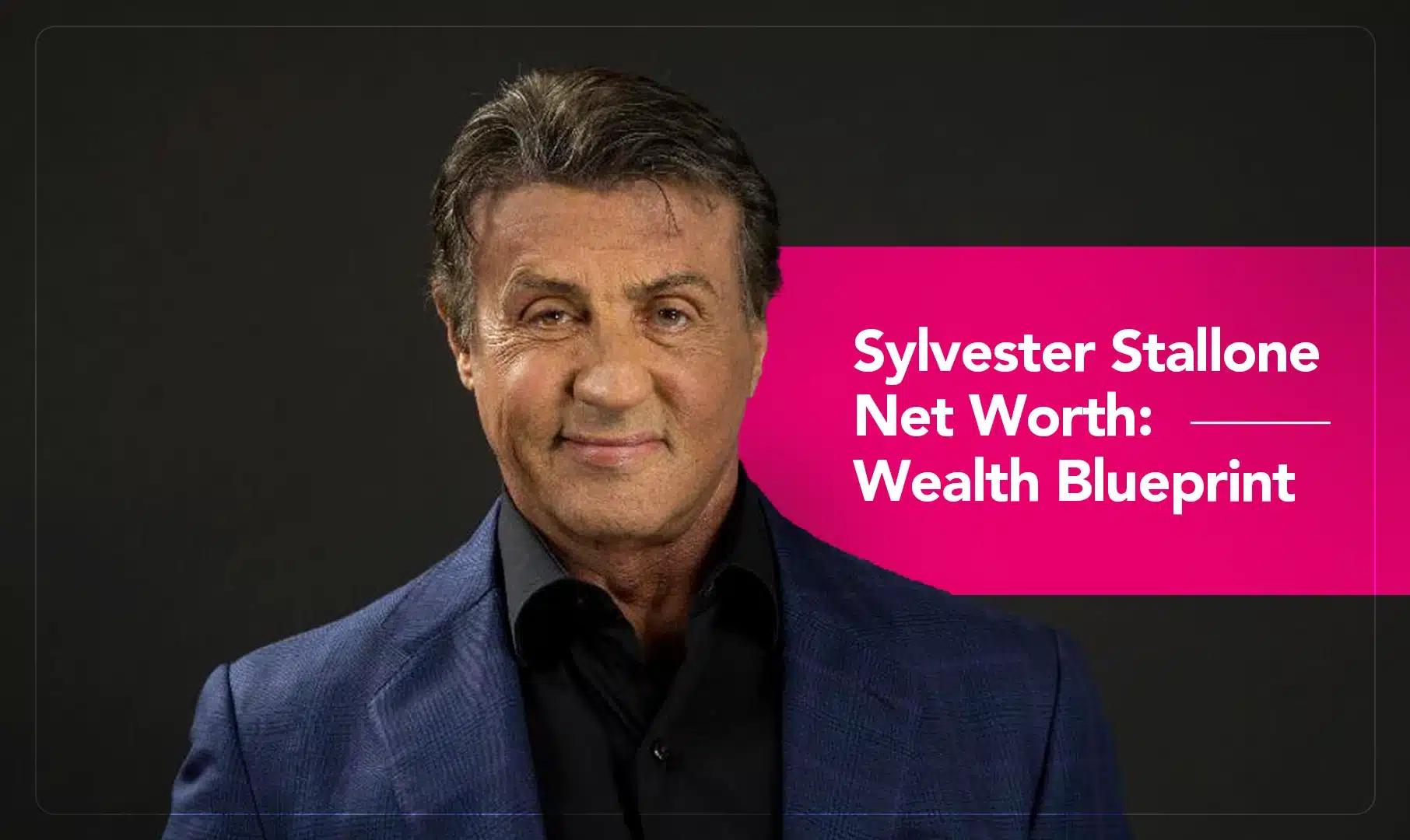
Sylvester Stallone’s estimated net worth, as of early 2026, is roughly $400 million (about £320 million), with credible estimates ranging from about $400 million to $450 million. No figure is audited, and a meaningful part sits in real estate and back-end participations, so treat $400 million as a well-supported midpoint.
The core wealth drivers are three. First, five decades of film income, from writing and starring in Rocky in 1976 to the Rambo, Expendables and Creed franchises, including the profit participations and back-end deals that a top-tier star and writer commands. Second, the intellectual property he created or co-created, most importantly the Rocky character, though his experience there is also a cautionary tale about what happens when a creator does not secure ownership. Third, a substantial real-estate and lifestyle-asset base built from that income, plus more recent television work including the Tulsa King series and the Paramount+ reality show The Family Stallone.
Four achievements matter most financially. First, writing Rocky and insisting on starring in it in 1976, a career-defining gamble that turned a struggling actor into a global star and won Best Picture. Second, building and sustaining multiple billion-dollar franchises (Rocky/Creed, Rambo, The Expendables) across five decades, an unmatched run of action-star longevity. Third, commanding top-of-market salaries and back-end deals through the 1980s and 1990s peak. Fourth, his late-career reinvention as a television lead and reality-show patriarch, opening a fresh income stream in his seventies.
What makes Stallone’s money story instructive is the ownership lesson buried inside a triumph: he created one of cinema’s most valuable characters yet has spoken publicly and bitterly about not owning the Rocky rights, a reminder that even a huge fortune can leave value on the table when IP is signed away.
If the question of how to retain ownership of what you create is one you care about, that’s exactly where Matt helps: you can work with Matt directly or book one-to-one consulting.
Key Financial Metrics
| Category | Metric / Description | Value (estimate) | Notes (source / caveats) |
|---|---|---|---|
| Total net worth | Estimated personal net worth, early 2026 | ~$400m (range $400–450m) | Press and aggregator estimates; unaudited |
| Cash & Investments | Retained film, back-end and TV earnings | ~$150–250m | Five decades of top-tier income |
| Film earnings (career) | Salaries plus profit participations | Hundreds of millions gross lifetime (est.) | ~$20m+ per film at his 1990s peak |
| IP / Back-end | Franchise participations (Expendables, Creed producer credits) | Meaningful but incomplete | Rocky rights famously not owned by him |
| Real Estate | Multiple US estates (Florida, LA, previously more) | ~$80–120m | A substantial, actively traded portfolio |
| TV income | Tulsa King, The Family Stallone | Multi-million/yr (est.) | The late-career income stream |
| High-value assets | Art, cars, watches, memorabilia | ~$20–40m | A genuine, high-value art collection |
Sylvester Stallone’s Primary Income Streams
Stallone’s fortune is a film-income story spanning five decades, topped in recent years by television, and shaped throughout by the difference between the value he created and the value he managed to own.
Core Career Earnings
| Year / Period | Project / Contract | Role / Position | Performance Metric | Est. Earnings | Notes (deal structure, source) |
|---|---|---|---|---|---|
| 1976 | Rocky | Writer and star | Best Picture; a cultural phenomenon | Reported ~$23k writing plus a small back-end | He turned down big offers to sell the script unless he could star |
| 1977–1985 | Rocky sequels, F.I.S.T., Nighthawks | Star/writer | Building franchise power | Rising to seven figures/film | Franchise economics take hold |
| 1982–1988 | First Blood and Rambo sequels | Star | Global action stardom | Multi-million per film | A second billion-dollar franchise |
| 1985–1995 | Peak-era blockbusters (Cliffhanger, Demolition Man and more) | Star | Among the world’s top-paid actors | ~$15–20m+ per film | Top-of-market star salaries |
| Late 1990s–2000s | Mixed period; some flops | Star | Career trough | Variable | Reduced bankability before the comeback |
| 2006–2008 | Rocky Balboa and Rambo revival | Star/writer/director | Successful franchise revivals | Multi-million plus participations | Reasserted his franchise value |
| 2010–2023 | The Expendables franchise | Star, co-creator, producer | Ensemble action hits | Salary plus producer/back-end | An owned-adjacent franchise he drove |
| 2015–2023 | Creed films | Star and producer | Acclaimed Rocky spin-off | Salary plus producer credits | Back in the Rocky universe, this time producing |
| 2022–present | Tulsa King (Paramount+) and The Family Stallone | TV lead and reality star | Hit streaming series | Multi-million/yr (est.) | The late-career reinvention |
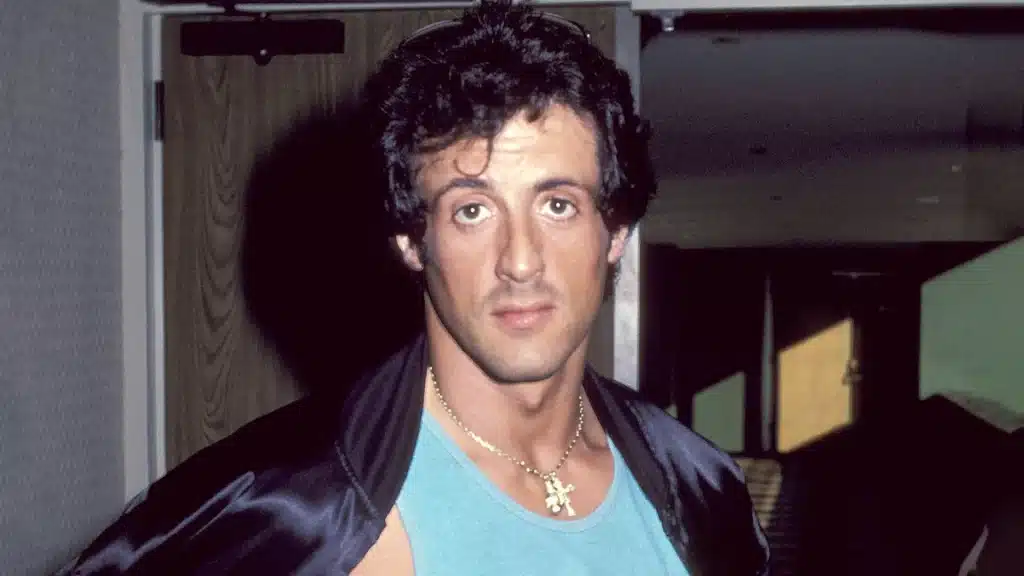
The scaling story begins with one of the great gambles in Hollywood history. In 1976, a broke and largely unknown Stallone wrote the Rocky screenplay and reportedly turned down offers of up to several hundred thousand dollars for it, a fortune to him then, because the buyers would not let him star. He took a tiny writing fee and the lead role instead, the film won Best Picture, and a global star was born. It is the purest example of betting on yourself in this entire series.
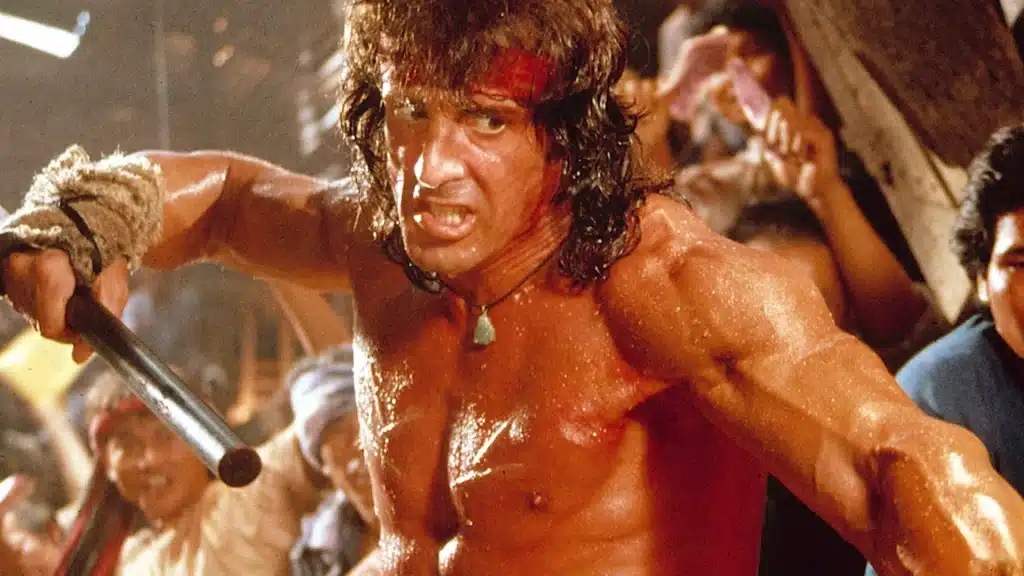
From there he built two more franchises, Rambo and later The Expendables, and commanded top-of-market salaries of $15–20 million-plus per film through his 1980s and 1990s peak. After a lean patch, he engineered comebacks with Rocky Balboa (2006), the Rambo revival, and crucially The Expendables (2010 onwards), which he co-created and produced, and the Creed films, where he moved into a producer role in the universe he originated. The most recent chapter is a genuine late-career reinvention: Tulsa King and The Family Stallone have made him a streaming-era draw in his late seventies, a fresh multi-million-a-year income stream few actors of his vintage command.
Publishing / Catalogue / IP Ownership
| Year | Asset / Segment | Counterparty | Deal Type | Est. Value / Multiple | Notes |
|---|---|---|---|---|---|
| 1976 | Rocky screenplay and character | United Artists / producers | Writing fee plus limited participation | Enormous value created, largely not retained | Stallone has publicly lamented not owning the Rocky rights |
| 1982 | Rambo character | Studios | Star and participation | Franchise value, incomplete ownership | Similar IP dynamic |
| 2010–2023 | The Expendables | Co-creator/producer | Producer stake | Owned-adjacent participation | The franchise he most controlled |
| 2015–2023 | Creed producer credits | MGM/Warner | Producer participation | Back-end value | Producing in the Rocky universe he created |
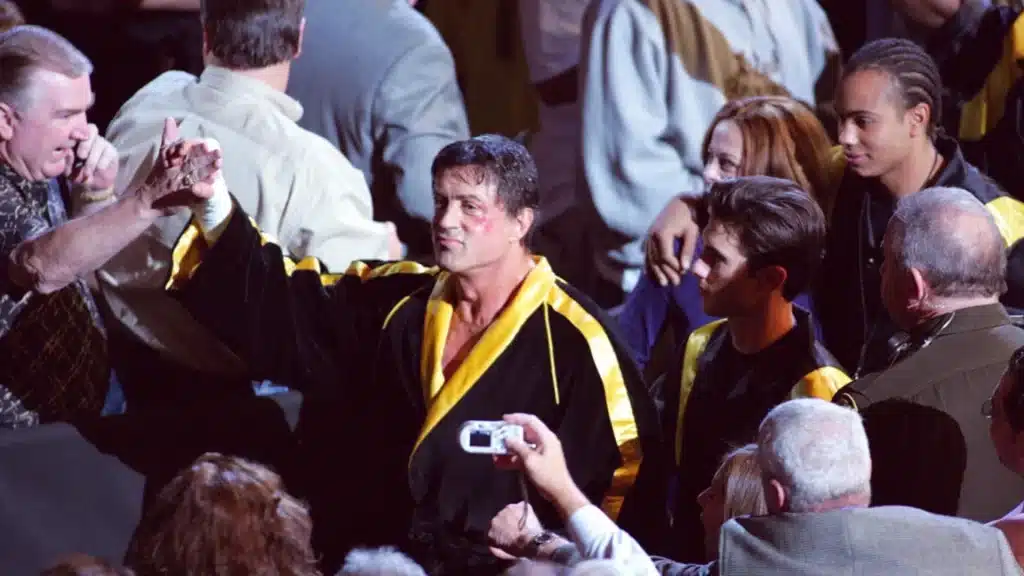
Stallone’s IP story is the instructive heart of his ledger. He created one of the most valuable characters in film history in Rocky, yet has spoken openly and with real bitterness about not owning those rights, a deal struck when he had no leverage. He learned the lesson: The Expendables, decades later, was a franchise he co-created and produced, capturing far more of the upside. The gap between the value he generated and the value he owned is the single biggest what-if in his fortune.
Film / TV / Other Creative Projects
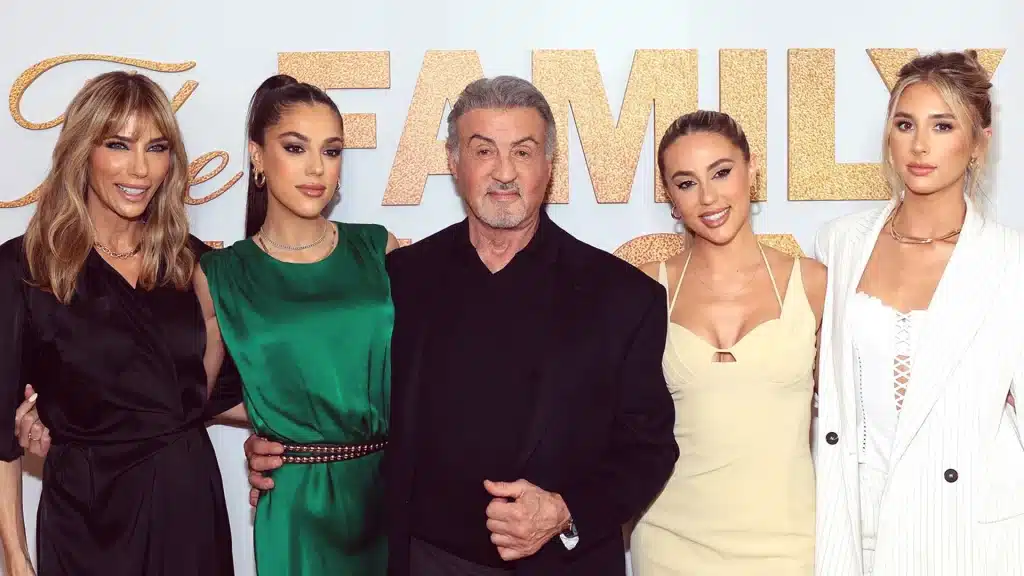
The late-career television pivot, Tulsa King as a lead and The Family Stallone as a reality patriarch, is the standout current income stream, proving his brand endures into a new medium. Directing and producing credits across his career add participation income. Together these show a star who kept working, and earning, across every era.
Recap: the majority of Stallone’s estimated $400 million is banked film and television income across five decades, with real estate the largest tangible asset class and a valuable art collection a notable secondary store of value.
Sylvester Stallone’s Secondary Income Streams
Endorsements & Sponsorships
| Brand | Product Category | Years Active | Deal Type | Est. Annual Value / Range | Notes |
|---|---|---|---|---|---|
| Various (watches, spirits, fitness over the decades) | Luxury/consumer | 1980s–present | Ambassador and campaign deals | Low-to-mid seven figures blended (est.) | Steady but never the core of the fortune |
Stallone has carried endorsement deals across watches, spirits and fitness over the decades, sizeable but always secondary to his film income. His brand as an action icon and self-made striver gives him durable commercial appeal, particularly in the luxury and lifestyle space.
Business Ventures
| Venture / Company | Sector | Role | Ownership / Stake | Outcome / Current Status | Notes |
|---|---|---|---|---|---|
| Balboa Productions | Film/TV production | Founder | Owner | Active | His production vehicle for later projects |
| The Expendables franchise | Film | Co-creator/producer | Participation | Multiple films | The IP he most owned |
| Planet Hollywood | Hospitality | Early co-investor (with other stars) | Minority (historic) | Struggled/restructured | A 1990s celebrity-restaurant venture |
| Real estate | Property | Owner/trader | Control | Actively managed | A meaningful wealth component |
Stallone is primarily a screen earner rather than a serial entrepreneur, but Balboa Productions gives him a vehicle to develop and own more of his later work, and The Expendables shows him applying the ownership lesson learned from Rocky. The 1990s Planet Hollywood investment, alongside other stars, was a cautionary ve
nture that struggled. Risk profile: a fortune built on career earnings, with real estate as the main active asset play and production as a late move towards owning more of his output.
Licensing, Merchandising & Other Royalties
Franchise participations, residuals from a vast back catalogue, and merchandise around Rocky, Rambo and the Expendables add recurring income, though the incomplete Rocky ownership limits his share of that character’s licensing. Blended estimate: low-to-mid seven figures annually, marked as an estimate.
Sylvester Stallone’s Asset Portfolio Analysis
Real Estate Holdings
| Property / Nickname | City / Country | Type | Purchase Year | Purchase Price | Est. Current Value | Notes |
|---|---|---|---|---|---|---|
| Palm Beach / Florida estate | Florida, USA | Principal residence | 2020 onwards | Reported ~$35m+ | ~$40–60m (est.) | Moved his base to Florida in recent years |
| Los Angeles properties | LA, California, USA | Homes (several bought and sold) | Various | Reported tens of millions | Substantial | An actively traded LA portfolio over the decades |
| Other holdings | USA | Investment/residences | Various | Undisclosed | ~£10–20m (est.) | Bought and sold across his career |
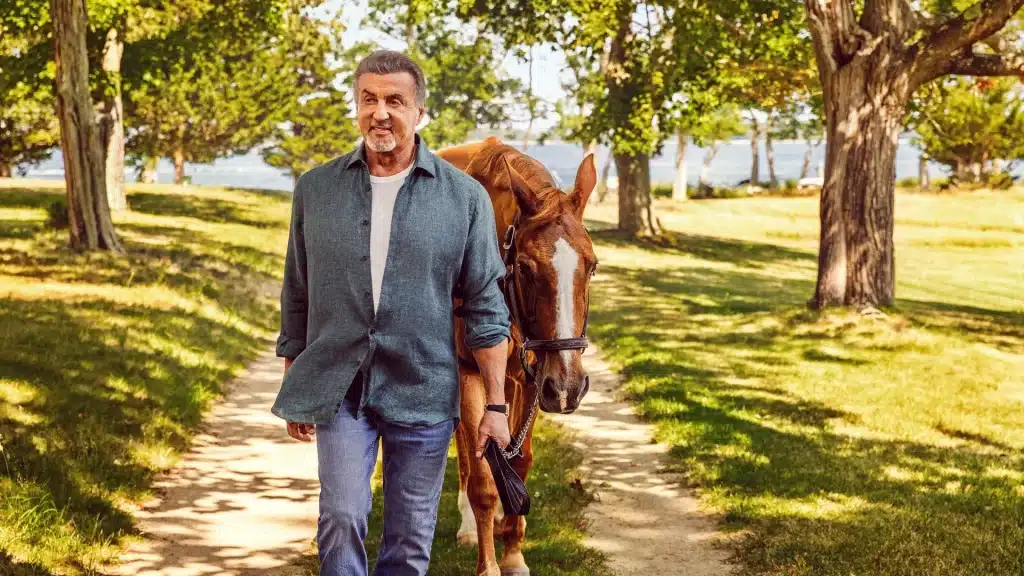
Stallone is an unusually active real-estate player among the screen stars in this series, buying and selling substantial properties across Los Angeles and, more recently, relocating to a large Florida estate. Property is both lifestyle and a genuine, actively managed component of his wealth, not merely passive ballast.
Vehicles, Jets, Collectibles & Luxury Assets
| Asset Type | Description | Est. Value | Notes |
|---|---|---|---|
| Art collection | A serious collection (he is also a painter) | ~$15–30m | A genuine, high-value holding; his own works sell too |
| Cars and watches | Enthusiast collection | ~$5–10m | Consistent with the profile |
| Memorabilia | Career and franchise memorabilia | Meaningful | Rocky/Rambo-era items |
The standout is art. Stallone is a lifelong collector and a practising painter whose own works have sold at auction, making his art holdings a genuine, high-value and partly appreciating asset class rather than mere decoration. The car and watch collections round out a substantial luxury bucket.
Investments & Financial Instruments
Beyond real estate, art and his production company, Stallone’s wealth is chiefly banked career earnings managed conservatively. Risk appetite: a screen earner who has taken his big creative gambles on his own career and films, with real estate and art as the main active stores of value rather than financial-market speculation.
Timeline of Major Financial Milestones
| Year | Event / Decision | Financial Impact | Why It Mattered |
|---|---|---|---|
| 1976 | Writes Rocky; refuses to sell unless he can star | Tiny fee, huge career | The great bet-on-yourself gamble; Best Picture follows |
| 1977–1985 | Rocky sequels build a franchise | Rising to seven figures/film | Franchise economics take hold |
| 1982 | First Blood launches Rambo | A second global franchise | Two billion-dollar series at once |
| 1985–1995 | Peak-era stardom | ~$15–20m+ per film | Top-of-market action-star money |
| Late 1990s | Career trough | Reduced bankability | The lean years before reinvention |
| 2006–2010 | Rocky Balboa, Rambo revival, The Expendables | Comeback plus owned franchise | Applies the ownership lesson with Expendables |
| 2015–2023 | Creed films as producer | Back-end value | Producing in the universe he created |
| 2020 | Relocates to a large Florida estate | Major real-estate move | A shift in his property base |
| 2022–present | Tulsa King and The Family Stallone | Multi-million/yr TV income | Late-career reinvention as a streaming draw |
| 2026 (early) | Net worth estimated ~$400m | Diversified veteran fortune | Film legacy plus TV, property and art |
The inflection points: 1976 (the Rocky gamble), the 1985–1995 salary peak, the 2010 Expendables ownership correction, and the 2022 television reinvention.
The Rocky Blueprint: What Stallone’s Ledger Shows
Stallone’s blueprint is the ultimate bet-on-yourself story with an ownership sting in the tail. In 1976 he refused to sell the Rocky script unless he could star, turning down life-changing money to back himself, and the gamble created a global career and a Best Picture winner. Five decades of film income, two more franchises, top-tier salaries and a late-career television reinvention built a fortune of around $400 million. Yet the same story carries a lesson: he created one of cinema’s most valuable characters and has spoken bitterly about not owning it, value generated but not retained.
The unique feature is longevity plus reinvention. Few stars sustain box-office relevance for fifty years, and fewer still open an entirely new income stream, hit streaming television, in their late seventies. That durability is the engine of the fortune.
The fragilities are those of a career-earnings model: the income depends on continued bankability rather than a compounding asset base, the biggest IP he created enriches others as much as him, and his active real-estate and art holdings, while substantial, carry market risk. But a fortune this large, this diversified across property and art, and still actively earning, is well insulated.
For creators of any kind, the copyable lesson is doubled: bet on yourself when you believe in the work, as Stallone did with Rocky, but also own what you create, as he learned to do with The Expendables, because the gap between value created and value retained is where fortunes are quietly lost. If you’re creating something valuable and want to make sure you retain ownership of it, talk to Matt about working together.
Sources
Figures draw on aggregator and press net worth estimates, box-office and salary reporting, deal coverage and property press. Back-end participations are private; all figures are estimates unless described as reported.
Earnings & Net Worth
- Press and aggregator net worth estimates for Sylvester Stallone (2023–2025), around $400m.
- Coverage of the Rocky (1976) writing-and-starring deal and his reported bitterness over the character’s ownership; salary reporting from his 1980s–1990s peak.
Franchises & TV
- Box-office and trade coverage of the Rocky/Creed, Rambo and Expendables franchises and his producer roles.
- Paramount+ and press coverage of Tulsa King and The Family Stallone (2022 onwards).
Assets & Biography
- US property press on his Los Angeles and Florida holdings; coverage of his art collecting and painting.
- Wikipedia and IMDb for career chronology and credits.