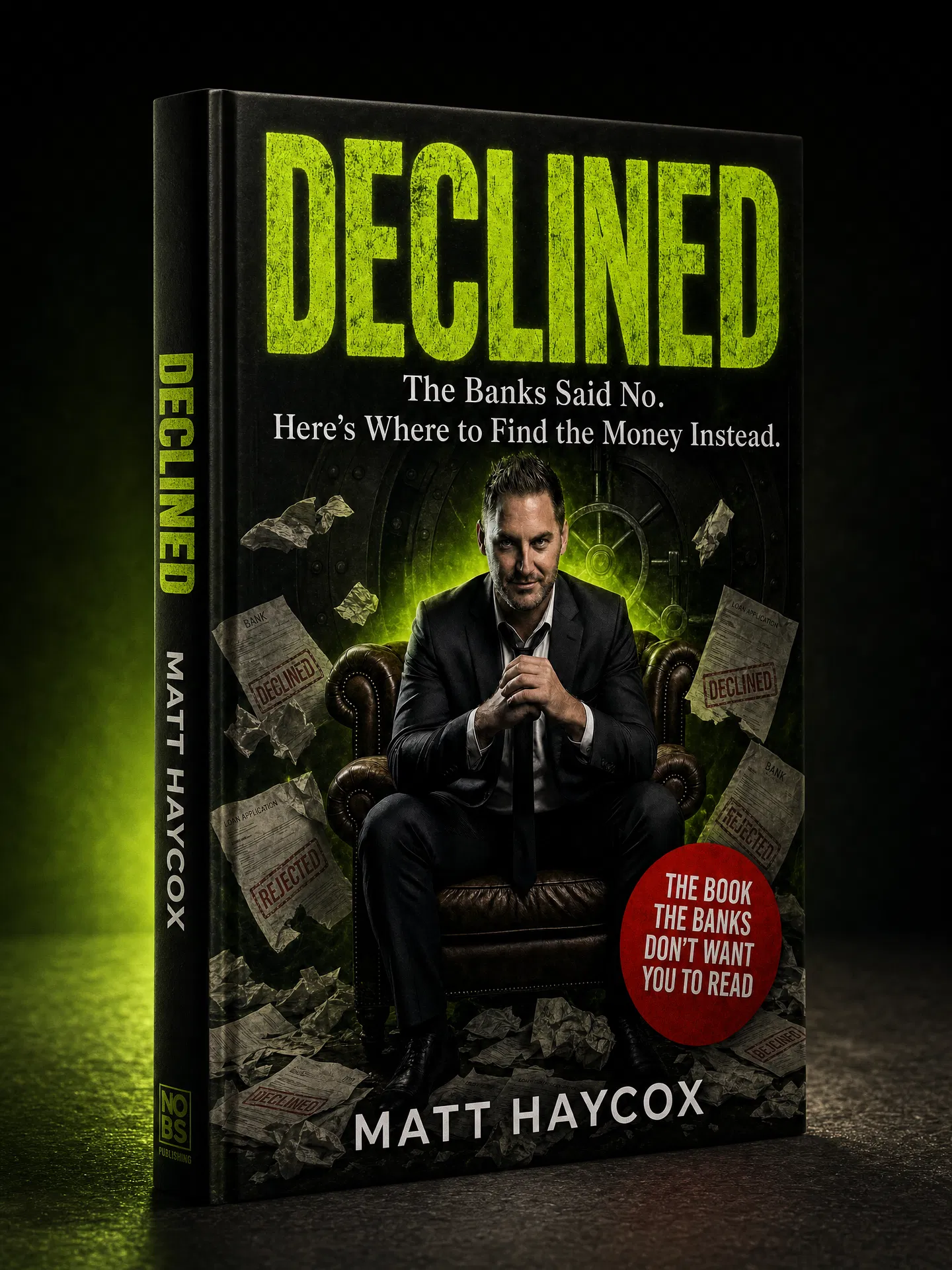

When founders talk about raising money, they often picture angel investors as these mysterious people with fat wallets who sprinkle cash on ‘good ideas.’ Let me burst that bubble right now: angels don’t invest in blue sky ideas. They invest in proof, people and potential. If you want their money, you need to understand how they think, what they’re looking for and how you can make yourself irresistibly investable.
I’ve been on both sides of the table, as someone pitching for cash and as an investor writing cheques. So here, I’ll give it to you straight and run through what angel investors in the UK care about. I’m going to cover how:
- Angel investors in the UK seek startups with proven traction, not just ideas, to minimise risks and validate market demand.
- A strong founding team is crucial; investors prioritise execution ability and leadership expertise over the idea itself.
- Sector-specific knowledge and defensible advantages, like strong IP, attract investor interest in thriving geographic ecosystems.
Commercial Traction and Market Validation
The first question in any angel’s head is simple: ‘Does anyone actually want this?’ If you can’t show some kind of traction, whether that’s revenue, early users or even strong engagement numbers, you’re already on the back foot.
Look at networks like 24 Haymarket; they put commercial traction ahead of shiny tech potential. This is because traction kills risk. If people are already buying, you’ve proved the market exists. If they’re not, you’re asking an investor to gamble. And they don’t like that when the odds aren’t in their favour.
Team, Leadership, and Founders’ Expertise
Investors would rather back an A-team with a B-idea than a B-team with an A-idea. Execution is everything.
Angels want to see founders who’ve been through fire. They want people with experience, resilience and the ability to pivot when things go wrong. Because they will. It’s how you bounce back that they want evidence of. Networks like Angel Academe, for example, back female-led startups because they know leadership diversity makes for stronger businesses.
If you’re the founder, your CV, track record and ability to lead a team matter just as much as your product. Don’t just pitch what you’re building, pitch why you’re the one who can actually deliver it.
Sector, Technology, and IP Considerations
Not all angels are generalists. Many look for specific sectors they know inside-out: MarTech, cleantech, life sciences and so on. They want defensible advantages like patents, proprietary algorithms or innovation that can’t easily be copied.
Take Cambridge Angels or the Ascension Syndicate. They prioritise startups with strong IP because IP equals long-term value. Geography matters too. London, the so-called ‘Golden Triangle,’ Manchester, Edinburgh… investors cluster where they know ecosystems are thriving
If you’re in a hot sector with genuine defensibility, shout about it. If you’re not, focus on your traction and execution power.
Co-Investing, Tax Relief, and Social Impact
Another thing you need to know is that many UK angels invest through syndicates or alongside funds. They spread risk by co-investing, and they love the SEIS and EIS tax relief schemes that make their money go further.
More and more, investors also care about impact, so startups tackling climate change, diversity or social inequality are getting extra attention. Align your pitch with these drivers and you instantly tick boxes that make you more attractive to loads of investors.
Exit Strategy and ROI Expectations
No angel writes a cheque just to feel good about themselves. They want to know how they’re going to get their money back and then some. That means you need a realistic exit strategy.
Whether it’s an acquisition, secondary sale or IPO, you need to paint a picture of how they’ll see a return. Don’t waffle. Show them the scalability, the growth potential and a clear route to liquidity. If you don’t know where the exit is, why should they come in?
Tips for Securing Angel Investment
If you’re serious about landing angel backing, here’s what you need to nail:
- A watertight business plan and a pitch deck that doesn’t bore them to death.
- Targeted research. Find investors who actually back your sector and stage.
- Hard evidence of traction and scalability.
- Proof that you, as the founder, have what it takes to execute.
And don’t forget, investors bring more than money. They bring connections, mentorship and strategic input. If you can show you’re open to guidance, you’ll make yourself even more appealing.
How I Can Help
This isn’t theory. I’ve raised money, lost money, invested money and helped countless founders figure out how to play the funding game. If you want to go deeper, check out some of my other no-BS takes on funding:
- Angel Investors vs Venture Capitalists
- How to Find an Angel Investor
- How to Attract Business Investors for Your Company
Or if you’re ready to stop Googling and start doing, work with me directly.
Ready to Get Your Very Own Angel?
Angel investors aren’t mythical creatures; they’re just people with money who want to see it grow. If you understand what they value, like traction, team, defensibility, tax incentives and a clear exit, you’ll be streets ahead of the hundreds of other founders on the hunt for cash.
So be prepared, be credible and be realistic. That’s how you stop pitching and start getting funded.
Key takeaways:
- Co-investing, tax reliefs like SEIS and EIS, and social impact are key considerations for angel investors, with a focus on risk mitigation and added value.
- A clear exit strategy and realistic ROI expectations are essential to appeal to angel investors, who seek a tangible path to returns.
- Securing investment requires targeted research, a standout pitch, evidence of scalability and openness to mentorship and strategic input.
Ready to take your business to the next level? Speak to me today and explore tailored business coaching and funding options designed to help you grow without the fluff.