
The worst time to explain your business finances is when you are already running short of cash. Suddenly, every missing document becomes urgent, every unanswered question delays a decision, and a funding offer can look attractive simply because it is available. Preparation gives you more room to assess whether borrowing actually serves the business.
For small and medium-sized businesses, funding readiness starts with a clear account of what the money will achieve, how the business operates and where repayment will come from. You should be able to explain those points before completing an application.
Give the Funding a Specific Job
“We need money to grow” is an ambition, not a funding proposal. Define the expense, the timing and the expected operational result. Buying equipment to fulfil signed orders is a different proposition from financing an untested product launch.
Break the requirement into its components. Equipment may involve installation, training and maintenance. A new location may require refurbishment and several months of operating expenditure before it contributes meaningful income. Funding only the headline purchase can leave the business short during implementation.
Then examine the repayment assumption. Will existing operations support the payments, or does repayment depend on the new project succeeding? If the second explanation applies, identify what happens when sales arrive later than expected.
This exercise also helps establish whether the full amount is needed immediately. A phased project may allow you to test demand before committing to additional spending.
Separate Business Requirements From Personal Decisions
A funding proposal becomes harder to explain when company transactions and the founder’s personal activity are mixed together. Clear records help you understand the business independently of what you spend, save or invest outside it.
A founder considering whether to buy bitcoin with USD is making a personal investment decision if personal funds are involved. That decision should remain separate from a business borrowing request, its stated purpose and the cash needed for day-to-day operations.
Company money requires its own assessment and appropriate authorisation. Before taking funds out for personal use, establish with your accountant how the transaction should be handled and recorded.
The practical point is straightforward: someone reviewing your business should be able to follow where money came from and what it paid for. Unexplained transfers create questions that organised records could have prevented.
Build a Forecast That Can Survive Questions
A forecast is useful when its assumptions can be examined. Start with payment dates, supplier commitments, payroll and other known obligations. Distinguish confirmed orders from potential sales, and expected customer payments from money already collected.
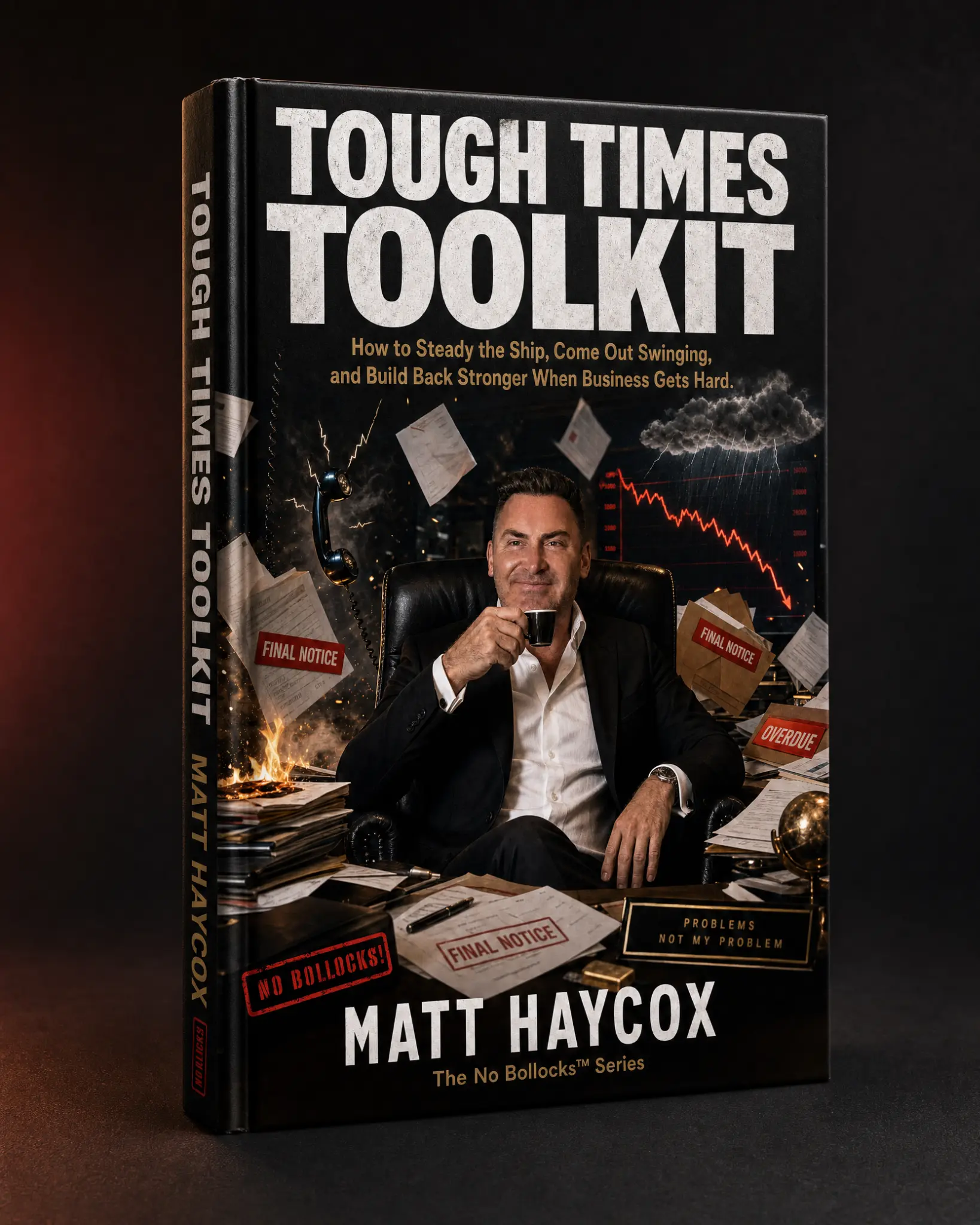
This reflects a central issue in Matt Haycox’s coverage of founder cash-flow mistakes: revenue growth does not necessarily mean cash is available when bills fall due.
Consider a supplier payment due before a customer settles an invoice. The business may earn a margin on the work yet still need to finance the gap. Showing that timing clearly is more informative than presenting an annual sales total.
Test a less favourable scenario as well. Move a major customer payment back, reduce expected sales or increase an important cost. Then examine whether the proposed repayments remain manageable.
Keep supporting information together. Depending on the funding route, this may include accounts, bank statements, outstanding invoices, existing borrowing and supplier quotations. Requirements vary, but maintaining consistent records makes responding easier.
Compare the Commitment, Not Just the Monthly Payment
An affordable-looking instalment does not describe the whole agreement. Review the total repayment, fees, payment frequency, security requirements and any personal guarantee. Establish what happens if circumstances change or you want to repay early.
Match the repayment schedule to how the business receives cash. Seasonal income and long customer payment cycles deserve attention before an agreement is signed.
Finally, decide who will monitor the funding after it arrives. Track whether expenditure follows the plan and whether the expected benefit materialises. Borrowing creates an ongoing obligation, so the review should continue beyond approval.
Funding readiness gives an owner a clearer basis for decisions. A defined purpose, understandable records and realistic repayment assumptions make it easier to explain the request, and to recognise when a proposed deal does not fit the business.